Situated in France’s Massif Central, Saint-Étienne lies between Lyon and Toulouse. Capital of the Loire, it developed into a market town during the Middle Ages.
Saint-Étienne eventually became a city known for its industry, which ranged from ribbons and lace making to weapons. But when these traditional employment opportunities began to dry up, the city took on a new mantel as a City of Design.
As a result, ‘Saint Stephen’ has attracted a trendy and cultured new crowd eager to delve into the city’s long list of artistic and natural attractions.
Here are the 15 best things to do in Saint-Étienne.
1. Place Jean-Jaurès
 Source: Sasha64f / Shutterstock
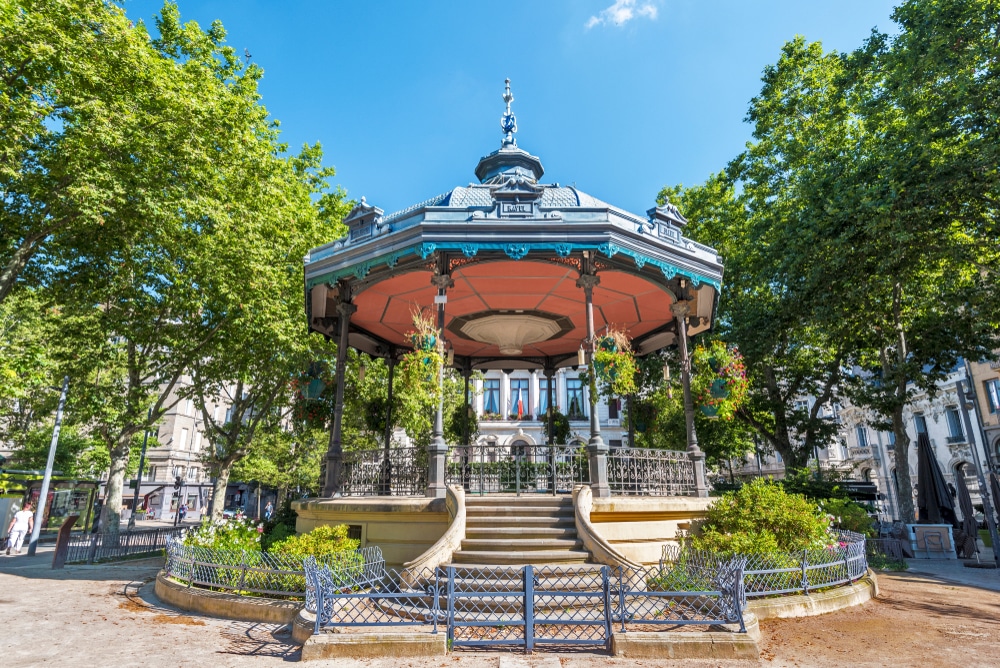
One of the most exclusive parts of the city, the shady seating areas and pavement fountains of Place Jean-Jaurès are surrounded by grand buildings.
Of all of them, it’s the grey and white structure of the twentieth-century neo-gothic cathedral that is most immediately obvious.
While taking advantage of modern building techniques (in other words, concrete), the ambitious plans for this sacred site were never fully completed, and its dome remains nothing but an idea.
Despite this, the cathedral’s interior looks after some interesting pieces of decorative art, not least the Carrara marble high altar.
2. Musee d’art Moderne et Contemporain
 Source: Facebook.com
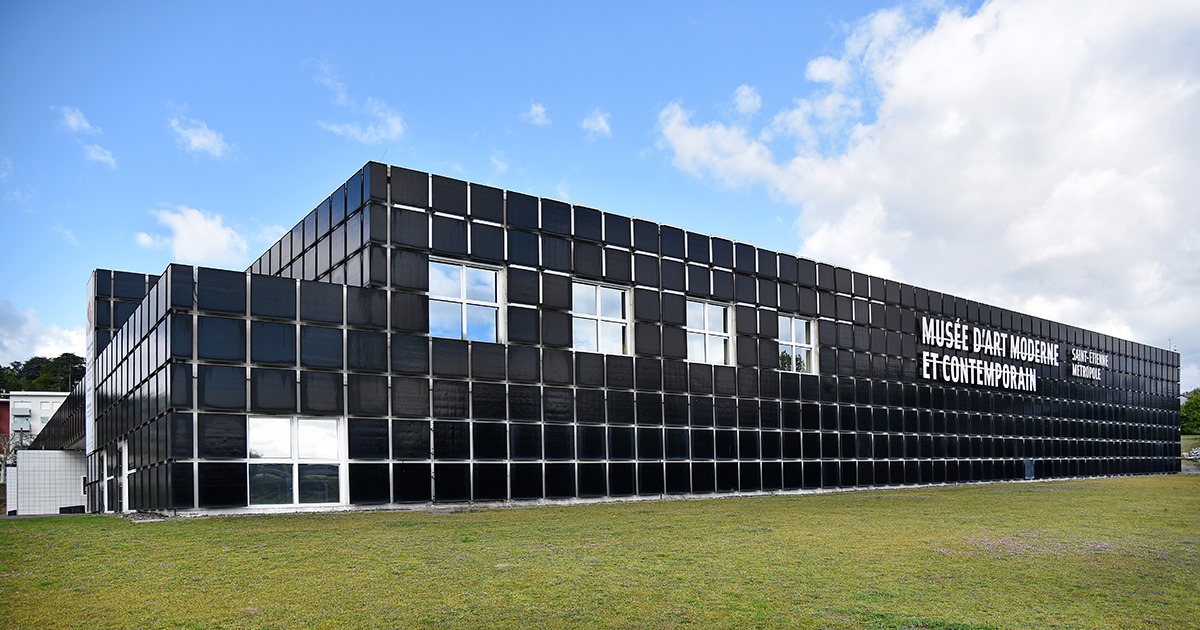
Size might not be everything, but with more than 15,000 pieces of art in its possession, and exhibition space of 3,000 square metres, the Museum of Modern Art (MAMC) in Saint-Étienne is one of the largest in France.
Probably only bettered by the collections in Paris, this museum holds works by both artists little known outside the region and the greats of the art world such as Monet and Picasso.
Its permanent collection is expanded further by temporary exhibitions throughout the year, dedicated to an artist or theme.
The museum is located on the northern edges of Saint-Étienne, in a purpose-built space covered by black ceramic tiles.
Website: https://mamc.saint-etienne.fr/
3. Parc Naturel Regional du Pilat
 Source: Sasha64f / Shutterstock
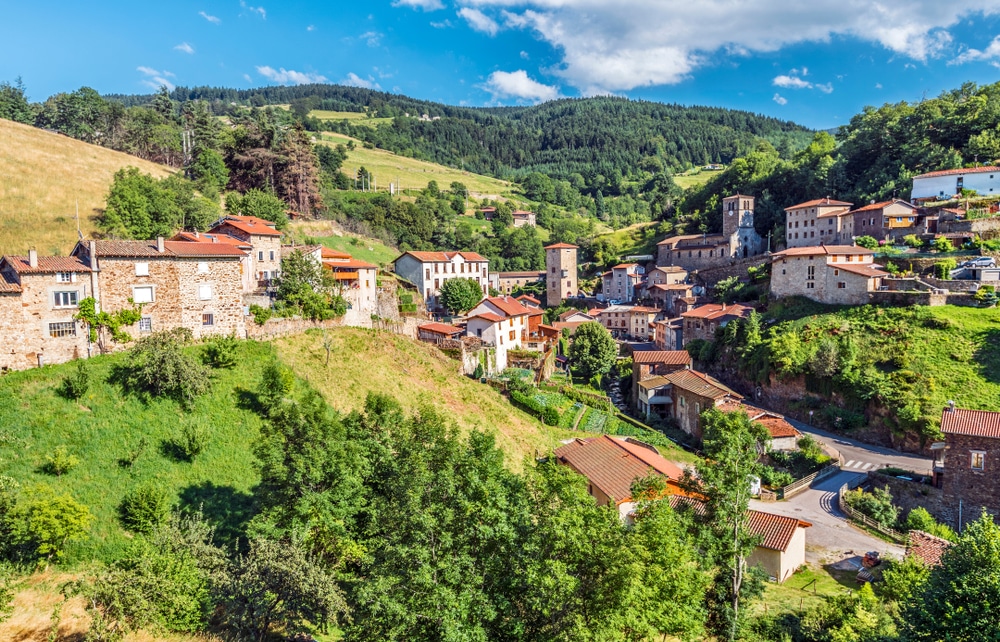
Spanning 72,000 hectares of authentic Loire countryside, Pilat Regional Nature Park protects woodland, pasture, and even vineyards, as well as the small farming communities that have looked after this land for generations.
It also contains villages including Rochetaillée with its ancient castle on a hilltop, and Pélussin with its old covered market. Both provide the perfect place to stop and enjoy a bite of regional cuisine in between a half-day’s hiking or mountain biking in the park.
Popular routes take walkers to the summit of Crêt de la Perdrix, which at just under 1,500 metres is the highest point in Pilat, while the Crêt de l’Oeillon has views that stretch all the way to the Alps.
Website: https://www.pilat-tourisme.fr/
4. Quartier Saint-Jacques
 Source: mirjana ristic damjanovic / Shutterstock
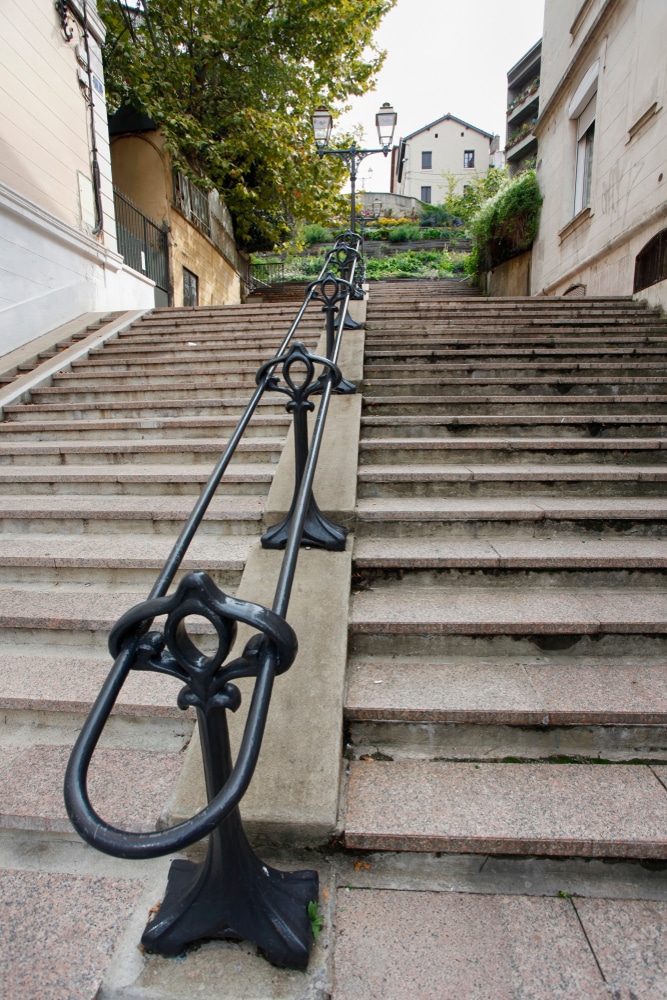
Here narrow pedestrianised cobblestone streets lead through its blend of attractive seventeenth and eighteenth-century stone buildings to small oddly-shaped squares that say ‘welcome to France’ far better than any advertising campaign could ever manage.
Fountains trickle with water, while waiters twist elegantly around tables carrying coffee and cake.
Made rich by the passing of pilgrims travelling along the Camino de Santiago de Compostela into northern Spain, the quarter offers visitors the chance to explore the origins of Saint-Étienne.
This quarter is also the one to come to for the best bars and restaurants in the city. What’s more, the views from Montée du Crêt de Roc is well worth the uphill climb.
5. Musée de la Mine
 Source: EBASCOL / Shutterstock
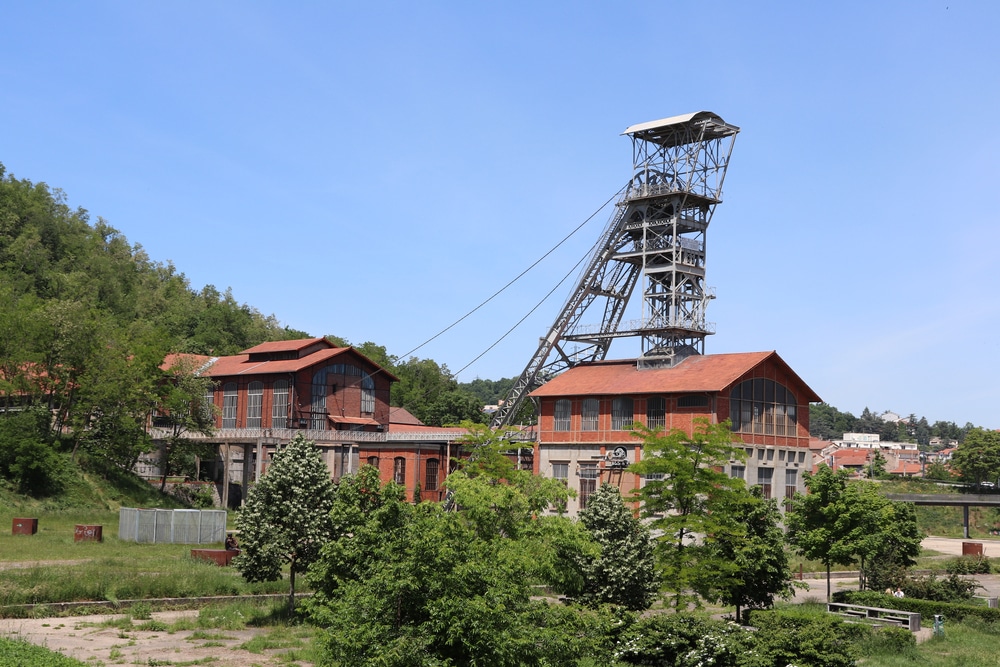
Just 15 minutes’ walk from the centre of Saint-Étienne, the Musée de la Mine, or Museum of Mining, is located on the site of the former Couriot pit.
Now a historic monument, its large wheel rises over modest buildings which have been converted from miners’ rooms into the main exhibition space, telling the story of mining in the area.
Visitors are also able to step into one of the old cage elevators to descend to the bottom of the mine and experience conditions below ground for themselves.
Back on the surface, visitors can enjoy the 3.2-hectare Joseph Sanguedolce Park.
Website: http://www.musee-mine.saint-etienne.fr/
6. Site Le Corbusier
 Source: Facebook.com
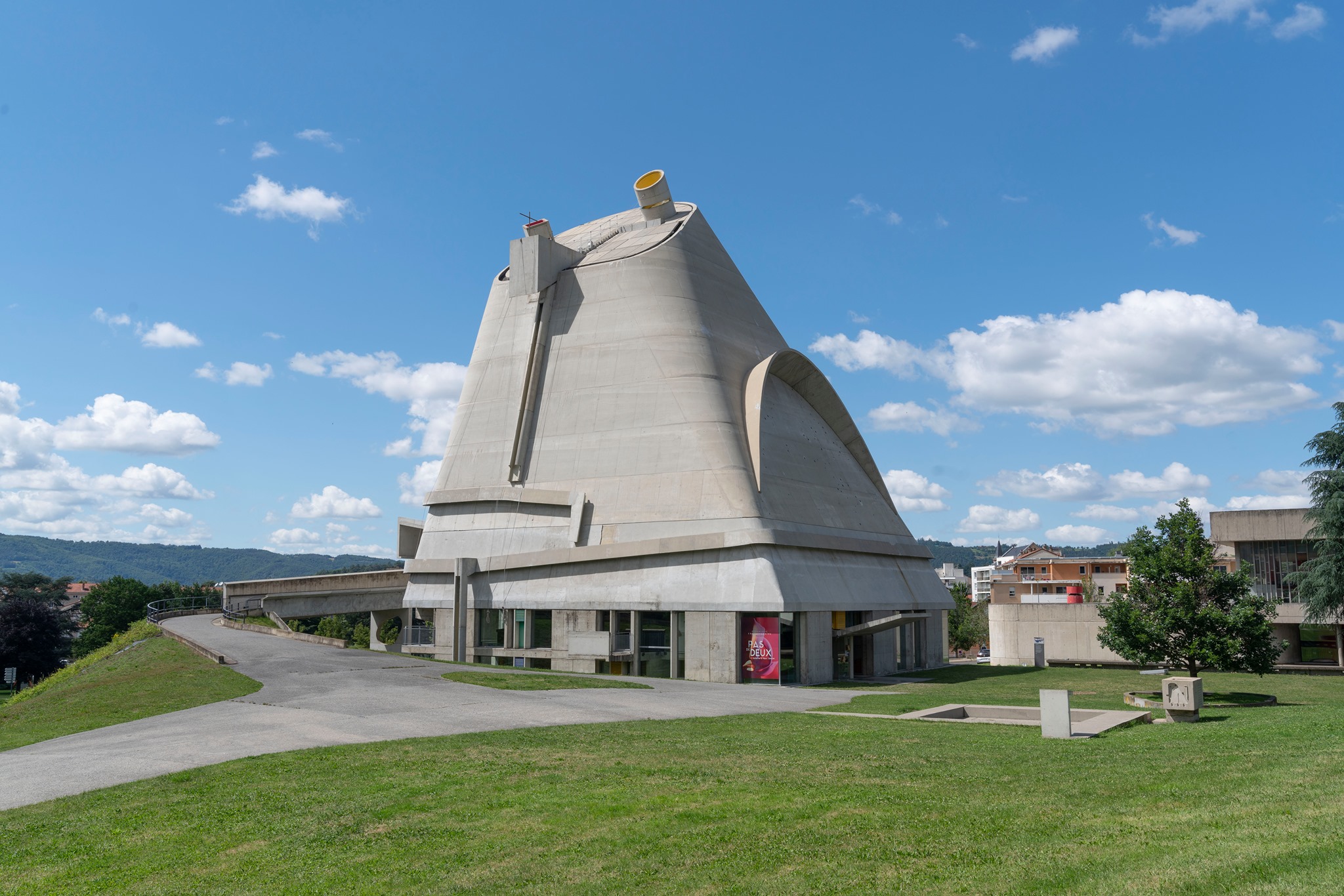
The largest collection of Le Corbusier’s modernist buildings in Europe, and second only to the town of Chandigarh in India in scope, this site is a must for design and architecture fans.
Demonstrating the use of the Swiss-French architect’s typical building materials – steel and concrete – its unusual lines are recognisably Le Corbusier’s.
Consisting of a residential block, cultural centre, and Olympic stadium, it is the Church of Saint-Pierre that holds the most allure for many, being the last significant work of one of the twentieth century’s leading designers before his death in 1965.
It would then take another forty years for his vision at Firminy to be completed. Site Le Corbusier is 13 kilometres from Saint-Étienne.
Website: https://sitelecorbusier.com/
7. Museum of Art and Industry
 Source: musee-art-industrie.saint-etienne.fr
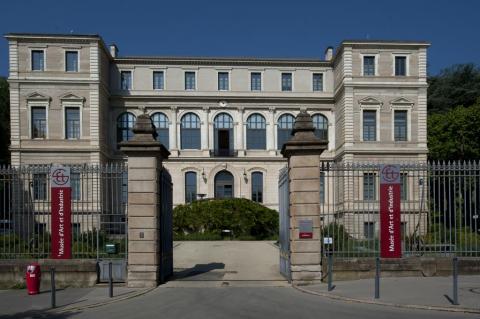
An all-encompassing look into the art and industry that saw Saint-Étienne led the world in a huge number of different fields of expertise, this museum blends the history of soft furnishings, weaponry, and bicycles.
Its impressive collection of antiquities lies within a light, fully-modernised structure that was once the city’s sub-prefecture building.
It shouldn’t be missed for its mix of large-scale machinery and small household objects.
Website: http://www.musee-art-industrie.saint-etienne.fr/
8. International Design Biennial
 Source: citedudesign.fr
It’s reputation as a centre for design led Saint-Étienne to hold its first international design biennial in 1998.
Since then, the event has become a major fixture in the design calendar, quickly becoming the largest event of its kind in France.
For a month, thousands of people per day flood to numerous venues in the city for seminars and displays of the world’s latest design trends.
At the same time, its streets and public spaces are also given over to light shows and other events.
The biennial is held in odd-numbered years.
9. Gorges de la Loire Nature Reserve
 Source: Sasha64f / Shutterstock
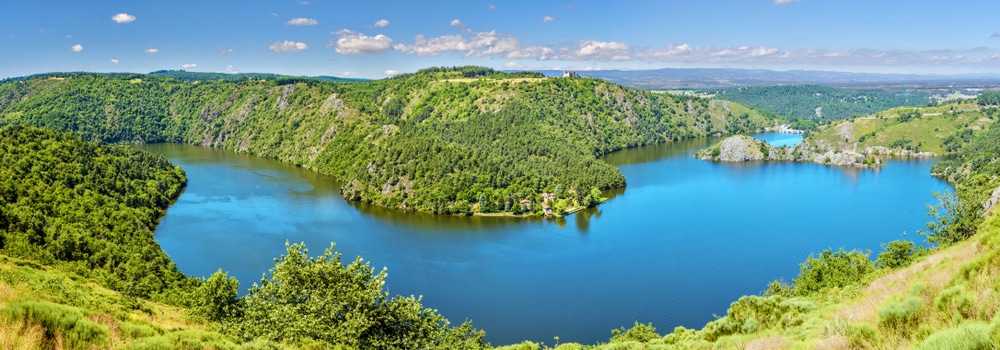
The Loire Gorges are a dazzling display of natural beauty just a short distance from the centre of Saint-Étienne.
While visitors are free to explore the reserve as they like, a 3.5-kilometre interpretation trail helps to highlight some of its best spots. It starts in Monistrol-sure-Loire, and links some of the finest vistas as it stretches on, including those of Rochebaron Castle.
Elsewhere, you can step aboard a pleasure boat for a cruise of Lake Grangent, one of the reserve’s many water-based activities.
10. Planetarium
 Source: EBASCOL / Shutterstock
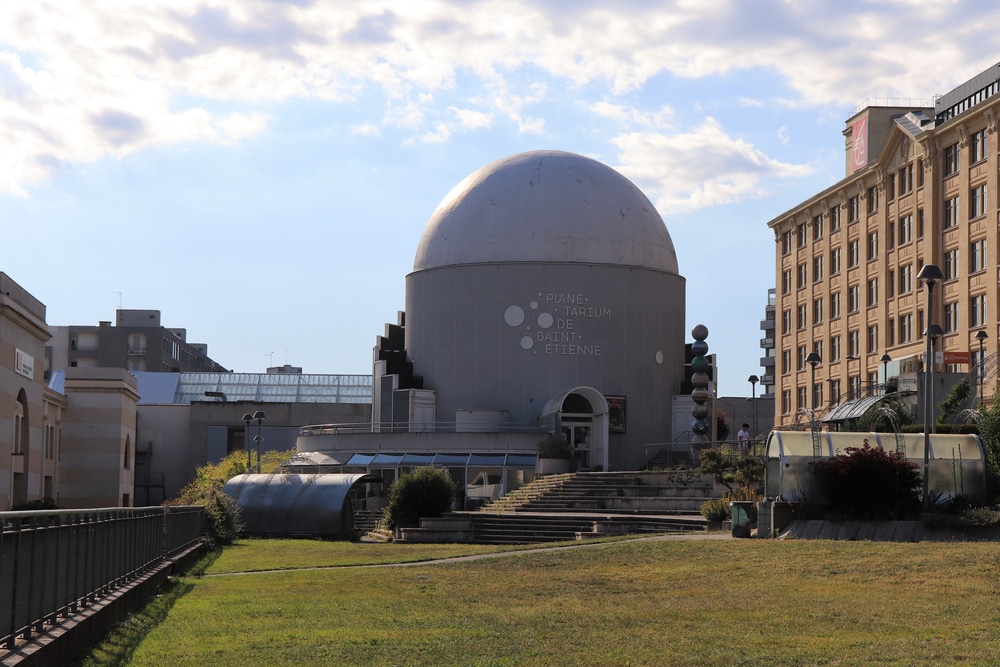
This family-friendly attraction manages the tricky task of explaining the wonders of the universe in a simple (and also enjoyable) way.
Since it opened in 1993, the planetarium has expanded its exhibits to include displays on flight and space travel, as well as life back here on earth.
The main digital projection room comprises a dome with a diameter of 12 metres, onto which displays of the cosmos are presented.
Always trying to improve, it was the first in France to boast a three-dimensional projection system, capable of displaying up to 100,000 stars.
Website: https://planetarium.saint-etienne.fr/
11. Musée des Verts
 Source: museedesverts.fr
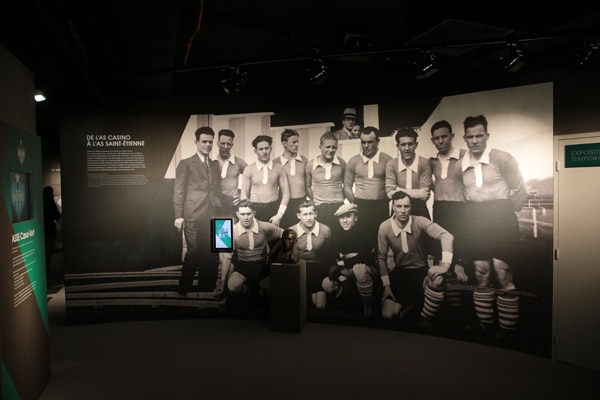
Football fans won’t want to miss the Musée des Verts, located in Stadium Geoffroy-Guichard and dedicated to Saint-Étienne Football Club – ‘the Greens’ (Verts).
Situated above the stadium’s ticket office on the first floor, the museum has eight exhibition rooms covering an area of 800 square metres.
Thought to be the first museum of its kind in the country, the Musée des Verts has over a thousand objects on display. These include balls from throughout the ages, and more than 150 football shirts.
Other more unusual objects include the goal posts of the 1976 European Cup Final (which was lost by Saint-Étienne playing Bayern Munich), and the Mercedes of Ivan Curkovic, who helped the team to top the French League several times in the 1970s and 1980s.
Website: http://www.museedesverts.fr/
12. Saint-Croix-en-Jarez
 Source: EBASCOL / Shutterstock
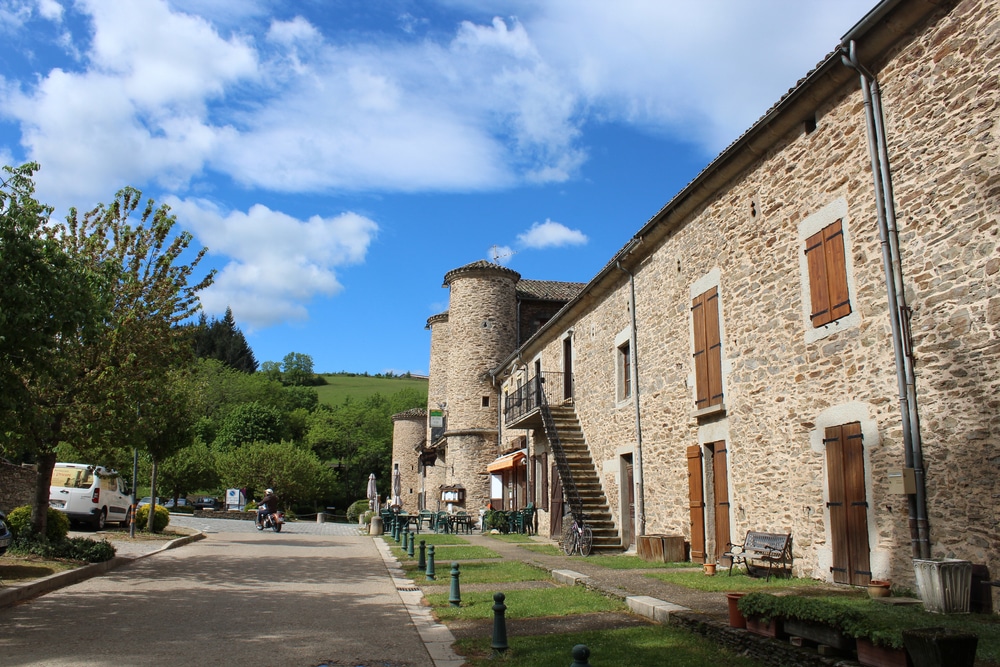
This village roughly 30 kilometres south of Saint-Étienne sits within the boundaries of the Parc Naturel Regional du Pilat.
Surrounded by an unrivalled natural setting, Saint-Croix-en-Jarez is often listed as one of the most beautiful in France.
Unusually, the village is set around a thirteenth-century Carthusian monastery, now used as the town hall, a school, and even homes for residents. However, it was the home for monks right up until 1792 and the French Revolution.
Though small, it’s hard to argue with the village’s attractive setting of squares and ancient buildings, nor the ability to look inside many, such as the old cloister building and the medieval murals of the eglise primitive.
13. Cité du Design
 Source: EBASCOL / Shutterstock
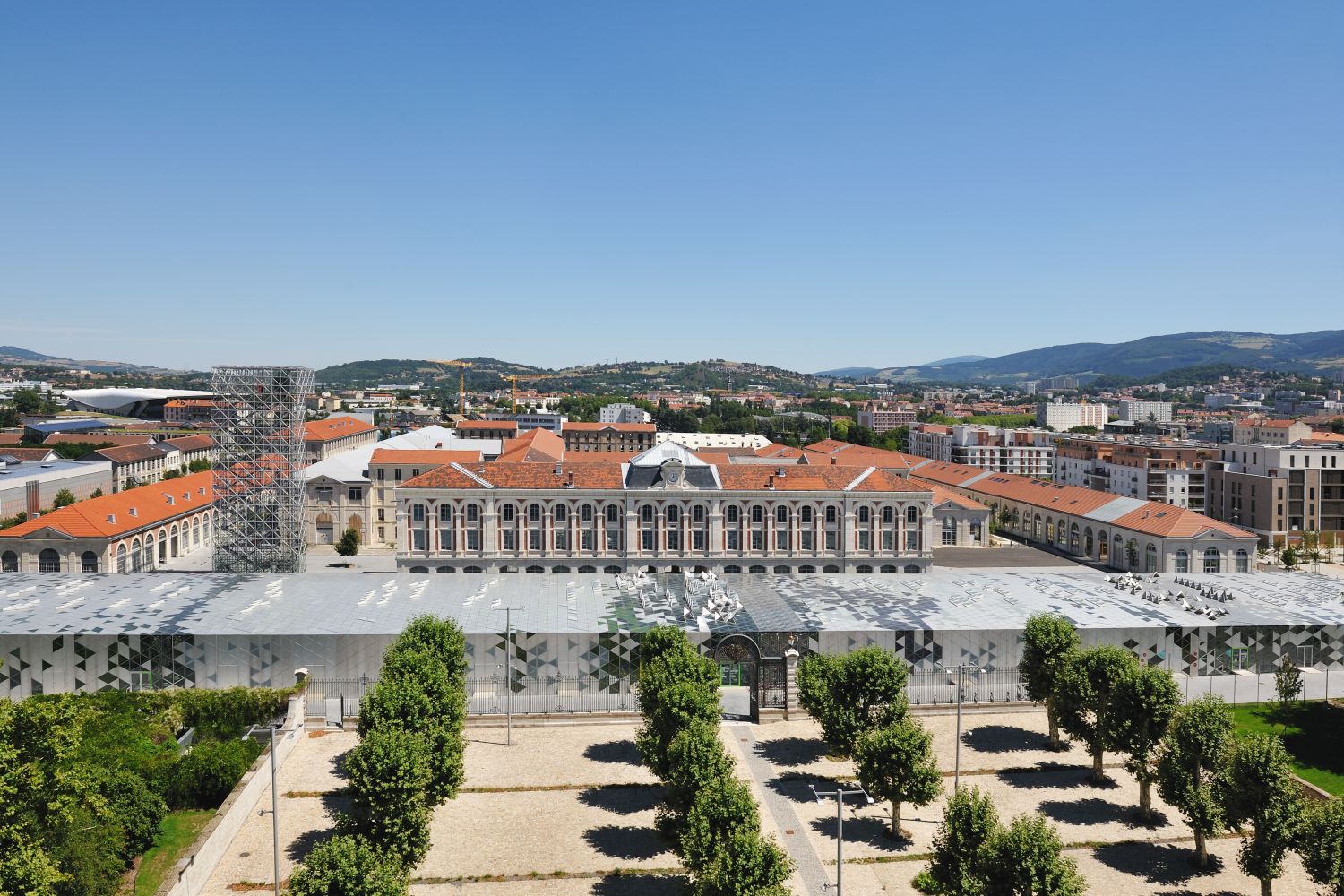
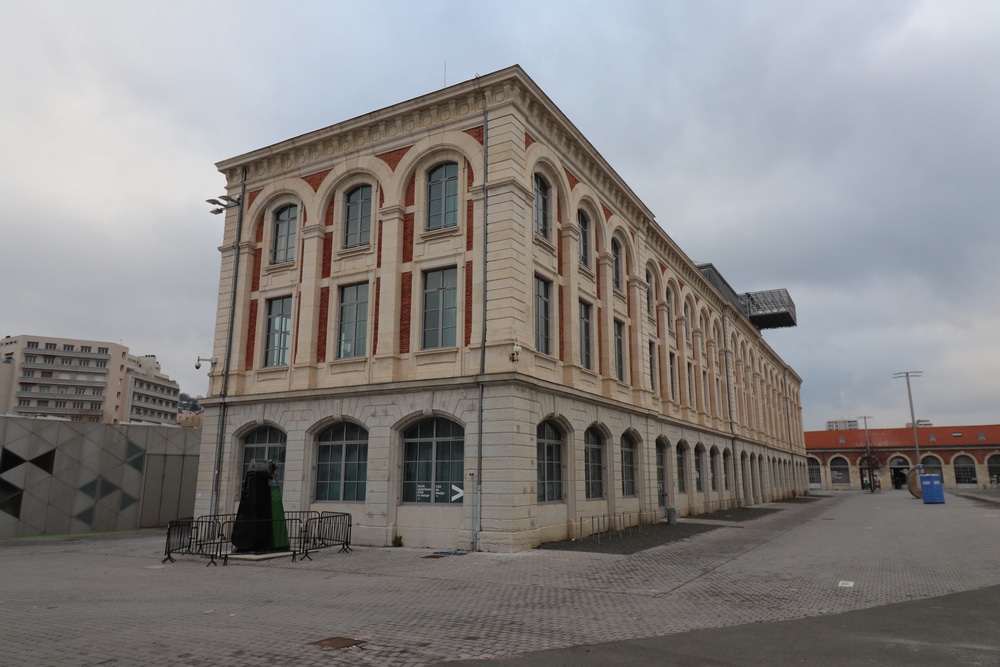
Unless you were told, you would probably never guess the Cité du Design was located within an old arms factory.
Three of its five buildings date from the 1800s, while two more have been built from nothing, the exterior made up of a façade of 14,000 individual heat-capture triangles.
Situated in the Manufacture-Plain-Achille creative quarter, the ‘city’ is home of the International Design Biennial, but for the remaining 47 months of the two-year cycle it certainly doesn’t remain empty.
A busy school of art and design and exhibition space, the highlight is perhaps the observation tower, rising 32 metres above the streets of Saint-Étienne.
Website: https://www.citedudesign.com/
14. Château d’Essalois
 Source: Iskography / Shutterstock
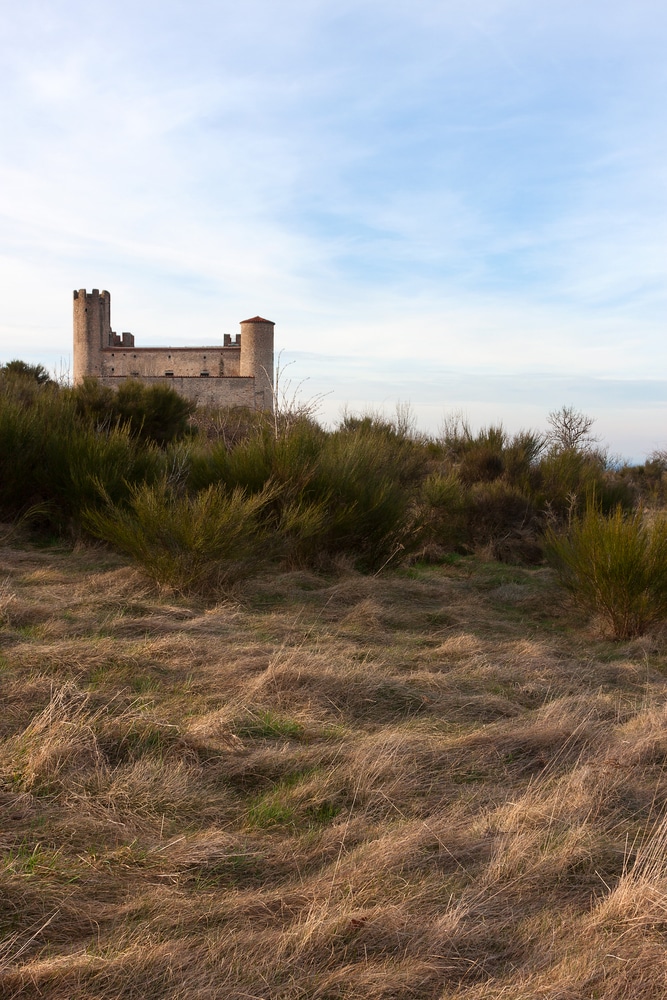
The Château d’Essalois is an excellent example of one of the region’s medieval castles. Watching the goings-on of Lake Grangent from Chambles, the castle has stood on the site since at least the 1300s when it is first found in surviving records.
However, the castle as it stands today largely dates back to the 1580s, and had fallen into ruins by the 1800s. Restored at that time and gifted to the Saint-Étienne hospice, it only entered public ownership in the mid-1970s.
As well as being of historic importance, its two towers provide novel viewpoints to take in the Loire Gorges. You’ll find the castle roughly 26 kilometres west of Saint-Étienne.
15. Grand’Église
 Source: Wikijoe / wikipedia
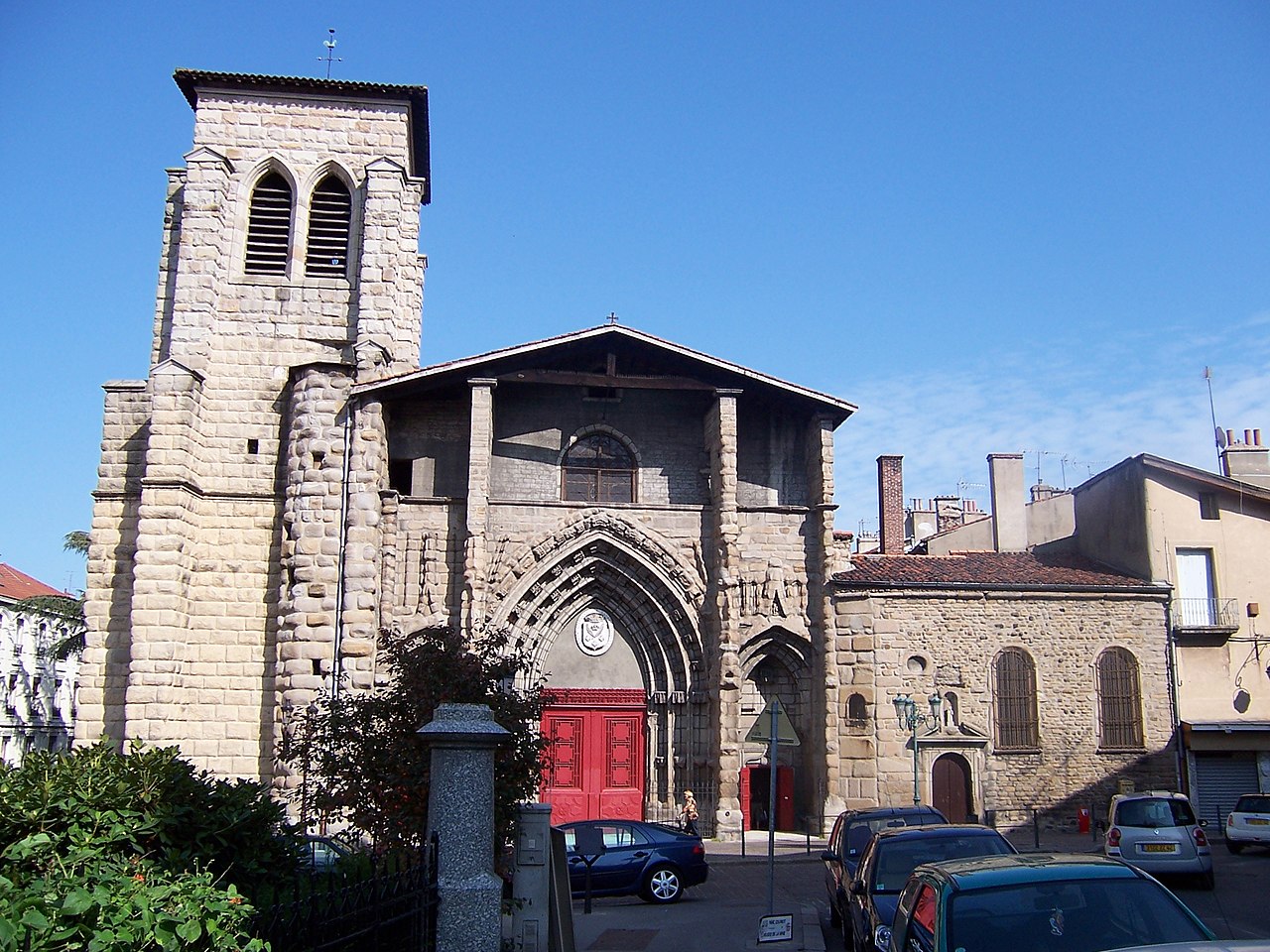
Rivalling the Château d’Essalois for age, construction of the Grand’Église was begun in 1310, making it a rare survivor of Saint-Étienne’s original Gothic era.
Located on Place Boivin, the ‘Grand Church’ is built from coal sandstone, and contains stained glass windows dating from immediately after the French Revolution.
Its religious artworks include a famous sixteenth-century ‘entombment’ carving of multicoloured woods, and a painting from the 1700s of an earlier request for the Virgin Mary to protect the city from an epidemic of plague in the 1620s.