The capital of Iceland has a youthful appearance, with few buildings older than the 19th century, but also has a youthful character as one of best places to go out at night.
All around there’s haunting scenic beauty befitting the world’s northernmost capital, on a bay scattered with grassy islands and bounded in the distance by snowy peaks.
Iceland’s famous heat-forged landscapes are effortlessly close to Reykjavík, as is one of the world’s largest geothermal plants, where you can discover how 100% of this remote country’s energy comes from renewable sources.
Waiting back in the city are creative attractions shining a light on topics like Iceland’s Medieval Age of Settlement, its volcanoes, its ancient parliament, the whales that migrate to its waters and Aurora Borealis.
1. Hallgrímskirkja
 Source: Ghing / Shutterstock
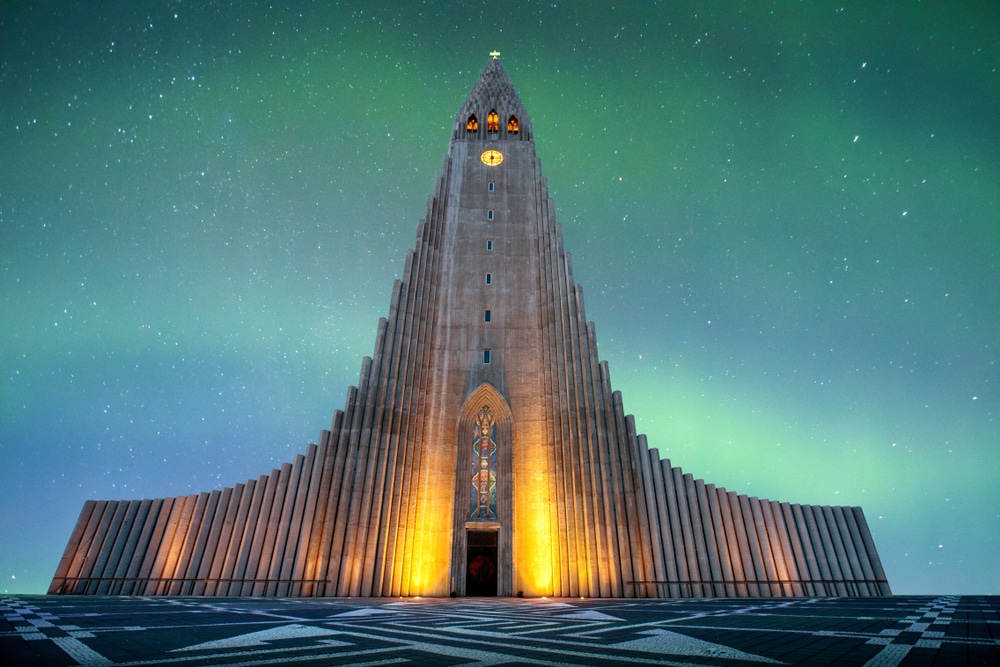
Both a parish church and Iceland’s national sanctuary, Hallgrímskirkja is an extraordinary Modernist monument taking cues from Iceland’s glaciers and volcanoes.
The iconic tower, 74.5 metres, is visible across the city and merges with the church facade in a unique design resembling stepped basalt formations.
The church was constructed in phases between 1945 and 1986, and was named in honour of the poet and clergyman Hallgrímur Pétursson (1614-1674).
He wrote the Passion Hymns, a collection of 50 texts that became a key part of Icelandic religious expression and are still broadcast on the radio during lent.
You can enter Hallgrímskirkja free of charge, but there’s a small fee to catch the lift up the tower for the best view of Reykjavík and the bold outline of Esjan mountain across the bay.
2. Harpa
 Source: Nicram Sabod / Shutterstock
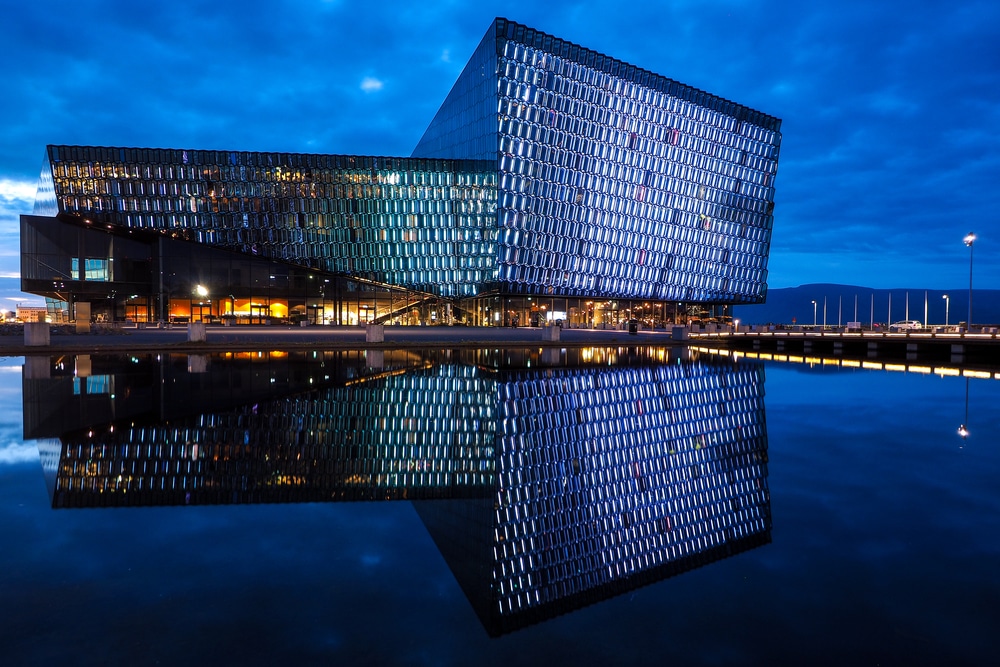
No tour of Reykjavík would be complete without taking in this magnificent concert hall in the harbour.
Harpa is a collaboration between the renowned artist/architect Ólafur Elíasson and the Danish firm, Henning Larsen Architects.
The glass facade, composed of a matrix of rhomboidal and hexagonal segments, was designed to evoke the geometric beauty of Iceland’s basalt landscapes.
After years of planning, work began on Harpa in 2007 but was interrupted by the Great Recession and then completed in 2011.
This is the seat of the Icelandic Opera and the Icelandic Symphony Opera, but is much more than that, hosting exhibitions, conventions and festivals throughout the year.
Harpa is the venue for cutting-edge arts events like Sónar in June and Airwaves in November and is a regular stage for domestic artists from Sigur Rós to Björk.
Inside there’s also a top-notch design store (EPAL), a bookshop (Upplifun) and the contemporary restaurant, Kolabrautin. For more insight, guided tours are given Monday to Saturday during the summer.
3. Perlan
 Source: Marina Svarre / Shutterstock
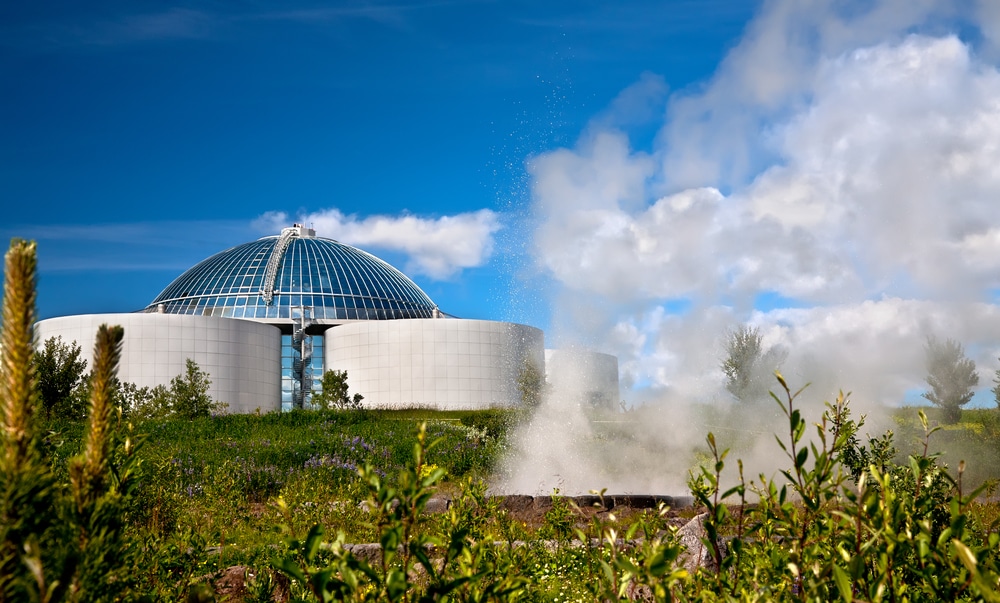
This hilltop monument incorporating six gigantic hot water tanks resembles no other landmark in the world.
There have been tanks here on Öskjuhlíð hill since 1939, using gravity to supply the entire city with hot water, and the current ones date from the late-1980s.
In 1991 the group was capped with a rotating glass dome, at the top of which is a beacon for Reykjavík Airport.
Over the last three decades Perlan has been a much-loved viewing platform with a 360° panorama of the city and its mountainous backdrop, but has also recently been installed with innovative exhibitions.
Wonders of Iceland gives you access to the observation deck and presents the country’s natural splendour in captivating ways, recreating an ice cave using real ice and creating an amazing replica of the Látrabjarg cliff.
Forces of Nature deals with Iceland’s volcanic activity, tectonics and geothermal energy, while Áróra is a planetarium show presenting the Northern Lights with eye-popping clarity.
4. Golden Circle
 Source: eldar nurkovic / Shutterstock
Iceland abounds with the kind of scenery that will leave you lost for words.
If you don’t have a lot of time or are overwhelmed by the choice, things have been made more manageable by the Golden Circle itinerary, a loop sticking close to the capital in south-west Iceland.
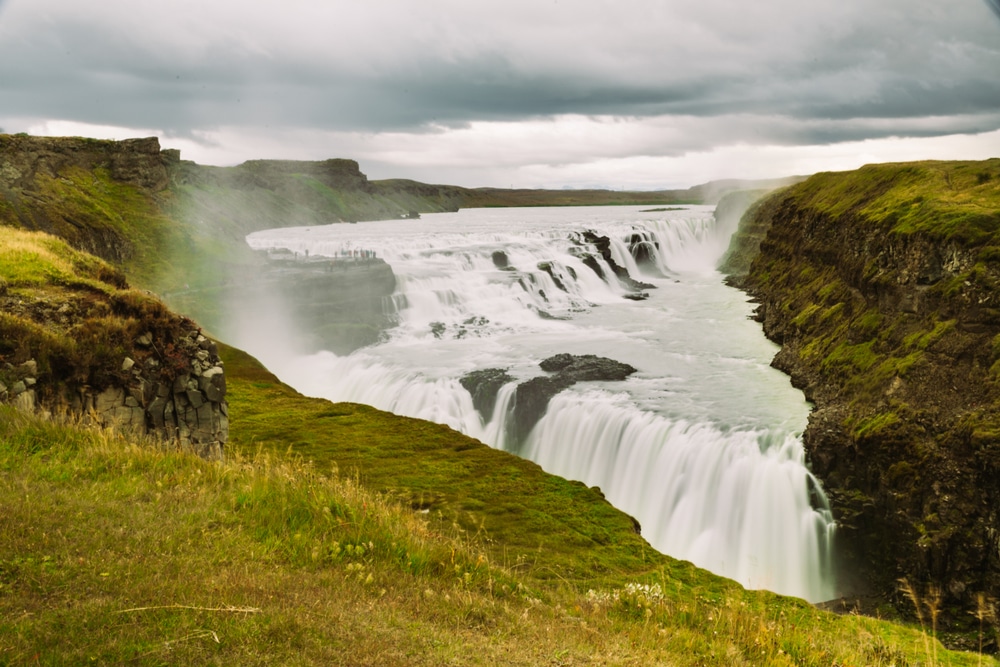
The three main stops on the route are Þingvellir National Park, the Gullfoss waterfall and the geothermal area in Haukadalur. Þingvellir, at the boundary between the North American and Eurasian tectonic plates, is the cradle of the world’s longest-running parliament.
The Althing was held here, 45 kilometres east of Reykjavík, from 930 CE until 1798 CE. The glacier-fed Gullfoss is astonishingly beautiful, dropping into a canyon over two ledges 11 metres and 21 metres in height.
Haukadalur meanwhile is in a geothermal field, best known for the geysers, Strokkur and Geysir, which literally gave us the word, “geyser”. The former is very reliable, erupting every five to ten minutes.
5. National Museum of Iceland
 Source: Robson90 / Shutterstock
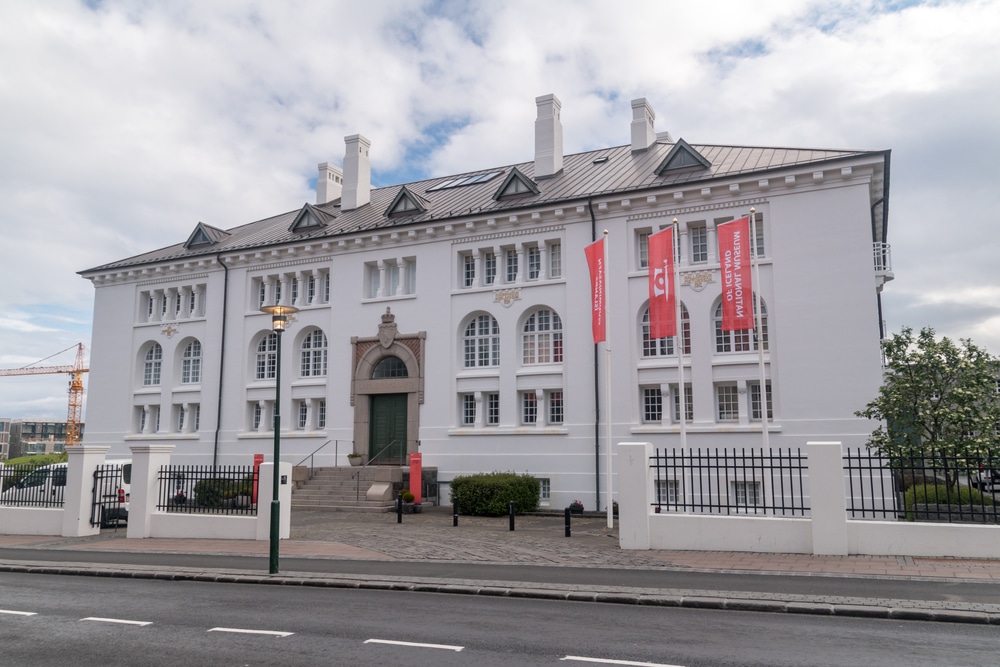
By the University of Iceland campus, this museum guides you through the history of the country, from Settlement in the Middle Ages to the present day.
To do this, the permanent exhibition, “Making of a Nation” presents some 2,000 artefacts.
Many of these possess immense cultural value, like the Valþjófsstaður door, a wooden church door dated to the beginning of the 13th century and carved with a depiction of the Lion-Knight legend, similar to the Arthurian romance, Yvain.
Also remarkable is Þórslíkneskið, a 10th-century bronze statue of a naked bearded man who could be the Norse god of thunder, Mjölnir, or possibly even Jesus Christ.
The permanent exhibition is complemented by worthwhile temporary shows for specific historical periods, fashion, art and much more.
There’s a second exhibition space at the Culture House, completed in 1908 to house Iceland’s National Library, and set beside the Supreme Court.
6. The Settlement Exhibition
 Source: facebook.com
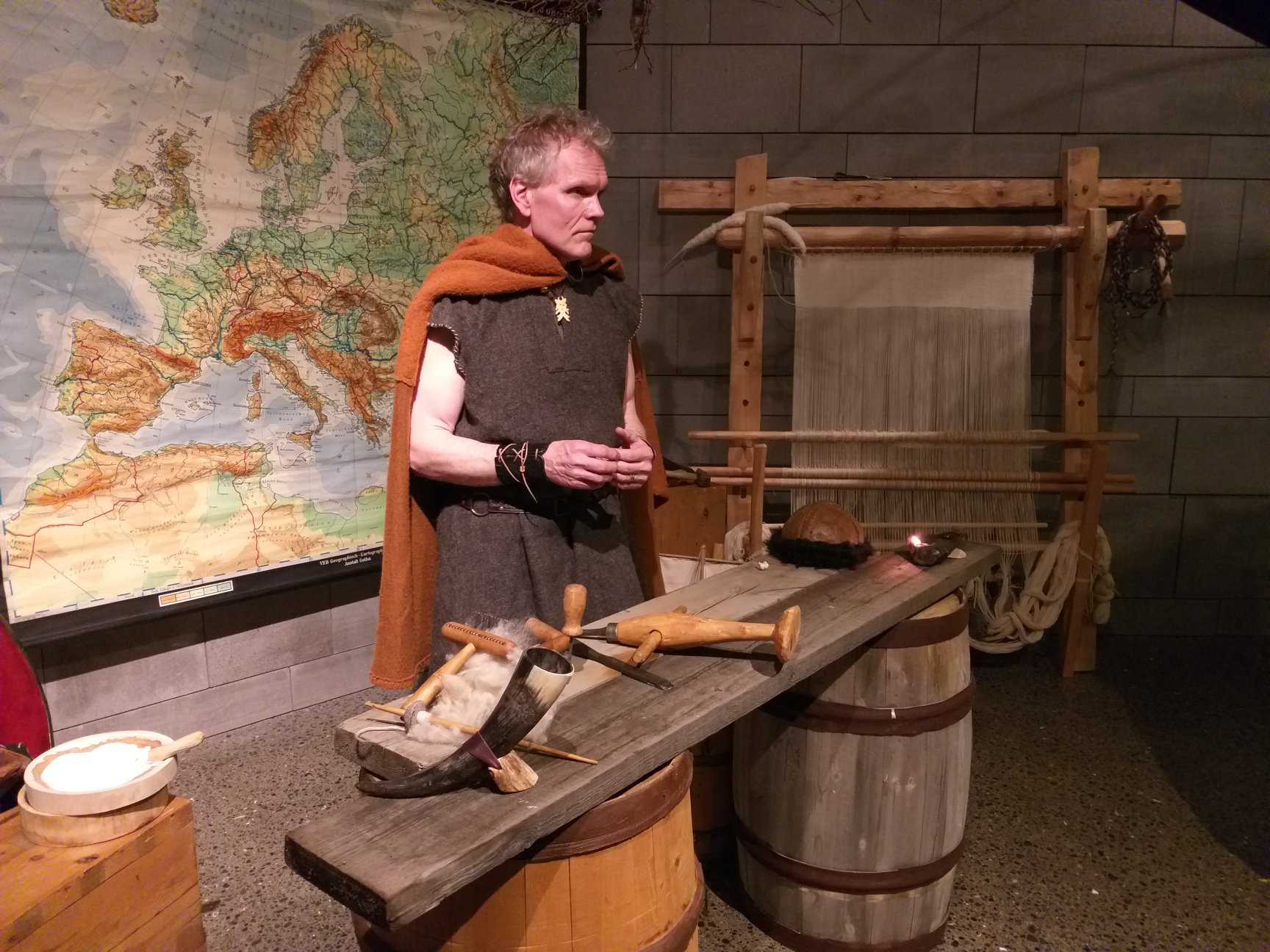
In 2001 the vestiges of a hall from Iceland’s Settlement Age, around the 9th and 10th centuries, were excavated in the centre of Reykjavík.
The site, with archaeological remains preserved in situ, was soon turned into this beautifully-presented exhibition, showing off finds from the earliest period of habitation in what is now Reykjavík.
Interactive technology helps paint a picture of what was once a farm and shows how these structures from the Viking Age would have looked in their prime.
A stretch of wall excavated at the site is known to have been constructed before 871 CE because it has a layer of tephra from an eruption that can be precisely dated to this time by comparing the same layer trapped in Greenland ice.
An audio guide is available, or you can take a guided tour in English at 11:00. There’s also an area for families and children with games and toys recalling the Viking era.
7. Sun Voyager
 Source: Luis Boucault / Shutterstock
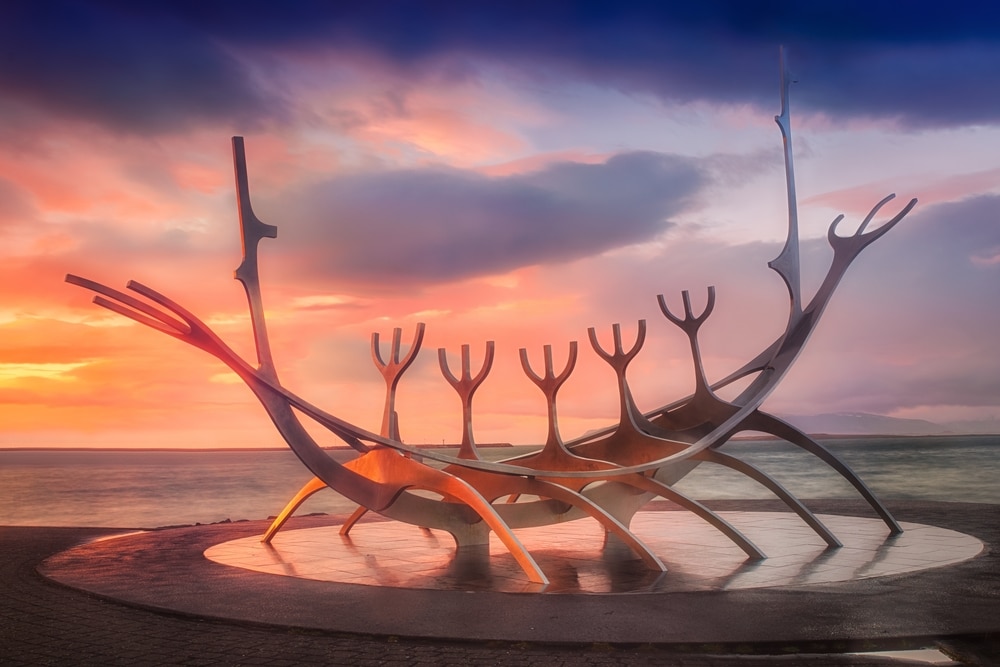
Reykjavík has a surfeit of public art, but maybe the most treasured piece is this stainless steel sculpture installed for the city’s 200th anniversary.
The Sun Voyager (Sólfar) is by Jón Gunnar Árnason (1931-1989) and was placed on a little nub of land jutting out into the bay next to Sæbraut.
The work represents a “dreamboat”, evoking “the promise of undiscovered territory” and with it hope, freedom and progress.
Sun Voyager is a wonderful photo opportunity framed by the 914-metre mountain Esjan across the bay.
Given its symbolism, the work was intended to face the sunset in the west of Reykjavík, before this northf-acing headland was chosen.
8. Einar Jónsson Museum
 Source: Robson90 / Shutterstock
As Iceland’s first recognised sculptor, Einar Jónsson (1874-1954) remains a dominant figure in Icelandic art.
Taking inspiration from the country’s rich folklore, his work was modern but approachable in the way it handled abstract themes and complex symbolism with concrete imagery.
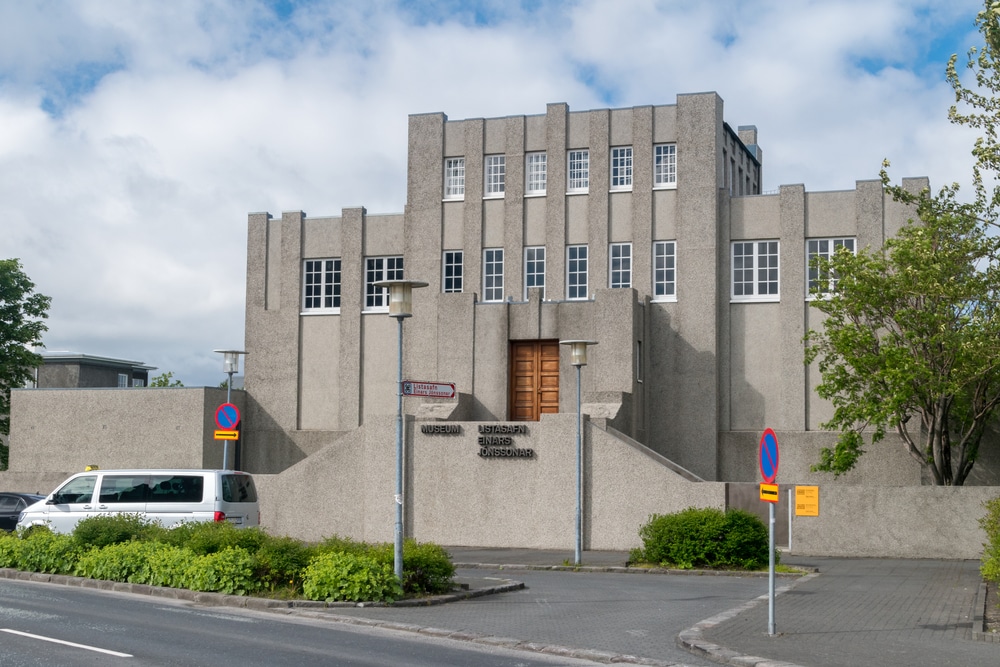
You can see casts of his sculptures throughout Reykjavík, and if you’re interested in the artist and want to see more, there’s a museum for him next to the Hallgrímskirkja.
This opened in 1923 following a donation by the artist, and offers a comprehensive review of his career.
Among the picks are Natura Mater (1906), The Spell Broken (1916-1927), The Pioneer (1911) and The Birth of Psyche (1915-1927).
Jónsson also moved into the building’s penthouse apartment with his Danish-born wife, Anna Jorgensen, and this space has been preserved as it was when he was living here. Outside is a popular sculpture garden, open all year, with 26 bronze casts of his work.
9. Árbær Open Air Museum (Árbæjarsafn)
 Source: Attila JANDI / Shutterstock
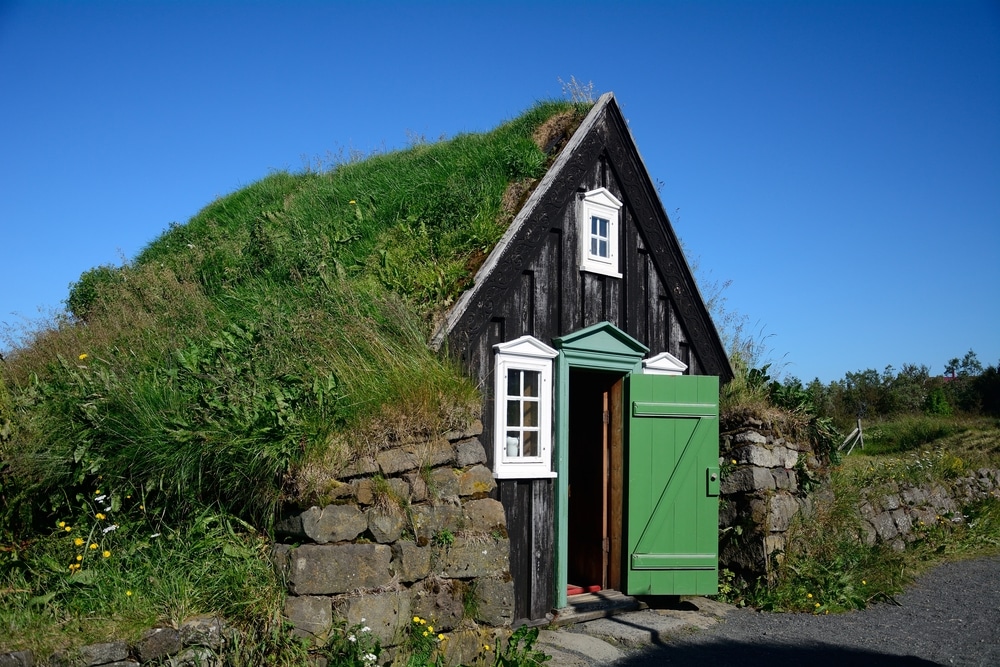
Reykjavík went through lots of change in the first decades of the 20th century, and this museum was created in the 1950s to address a concern that old architecture and ways of life were being lost forever.
The location for Árbæjarsafn is a former farm that for decades had been an inn and rest stop for people travelling to and from the capital.
That old farmhouse was restored, and has been accompanied by a slew of buildings from across the country, making up a town square, village and farm.
Many of these are original, including a ticket office from Laugavegur, the wealthy family house from Suðurgata 7, the general store from Lækjargata 4 and Laufásvegur, which was previously home to the British embassy.
The museum has lots of absorbing exhibitions, going into topics like Iceland’s rapid 20th-century development, toys and deep-dives into the story of specific buildings.
There are special craft days, vintage car fairs, seasonal celebrations, and all summer long domestic animals bring another level of realism.
10. Laugavegur
 Source: Gestur Gislason / Shutterstock
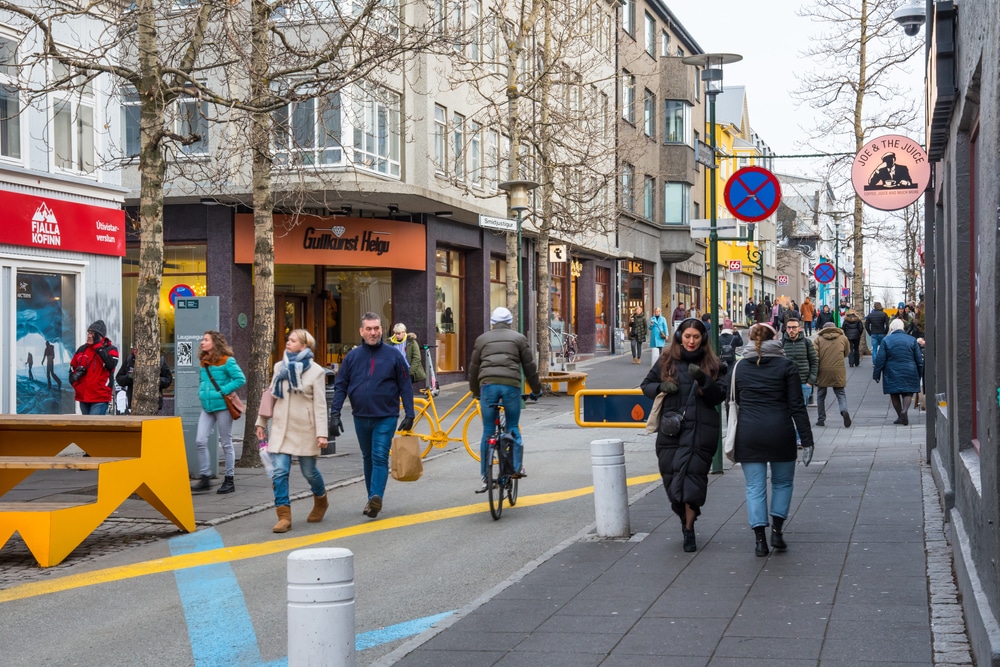
This east-west artery through the centre of Reykjavík is one of the oldest shopping streets in the capital and is a few things rolled into one.
Laugavegur is an upmarket place to shop, with plenty of time-honoured stores that can’t be found anywhere else, as well as trendy boutiques and vintage clothes shops.
But added to that are restaurants of all descriptions, as well as nightclubs and bars, injecting lots of life into the street late into the evening.
Laugavegur was plotted in the 1880s as a way to get to Laugardalur, east of the centre, where people would do their laundry in the hot springs.
The prettiest section is at the tree-lined western end, where you can experience the Laugavegur that was praised by the beloved painter Jóhannes Sveinsson Kjarval in the early 20th century.
The street is especially animated at the start of August for Reykjavík Pride, one of the big events in the city’s calendar.
11. Saga Museum
 Source: chrisdorney / Shutterstock
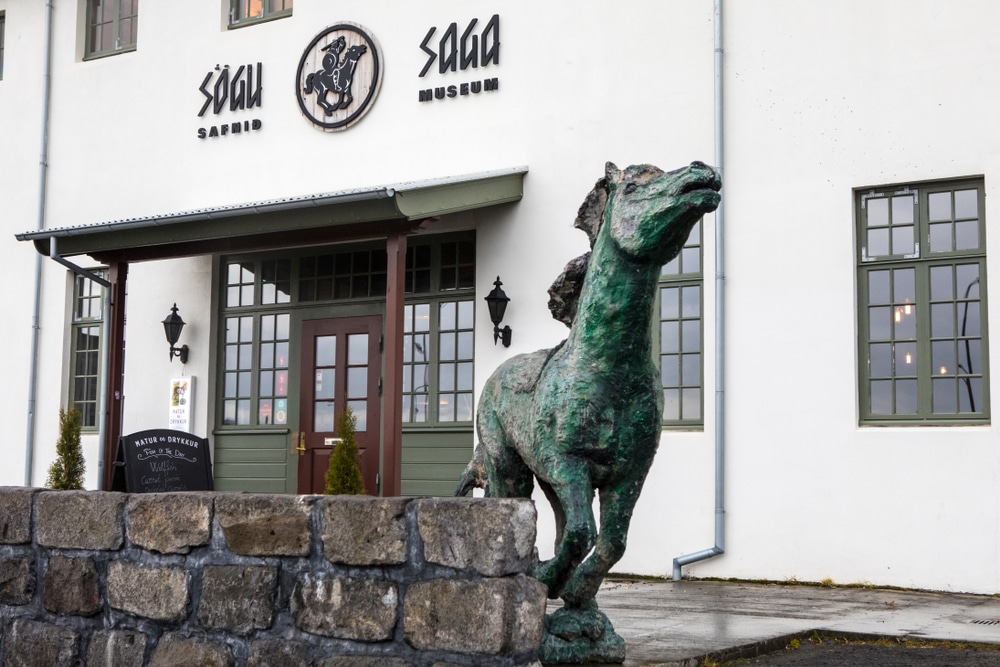
Iceland’s tumultuous early history is recounted at this engaging museum, taking you on a chronological journey from the very birth of the island some million years ago to the Reformation.
You’ll find out about the Papar monks, the island’s first inhabitants in the early Middle Ages, and from there you’ll encounter the 11th-century explorers, Leif Erikson and the indomitable Freydís Eiríksdóttir.
There’s detail about Iceland’s dramatic conversion to Christianity in 1000 CE, and the origins of the Althing, the oldest surviving parliament in the world.
Hardship abounds, in tales of war, plague, earthquakes, avalanches and, of course, eruptions. Each important milestone is marked with a lifelike tableau and a multilingual audio guide will give you all the context you need.
12. Whale Watching
 Source: AMJonik.pl / Shutterstock
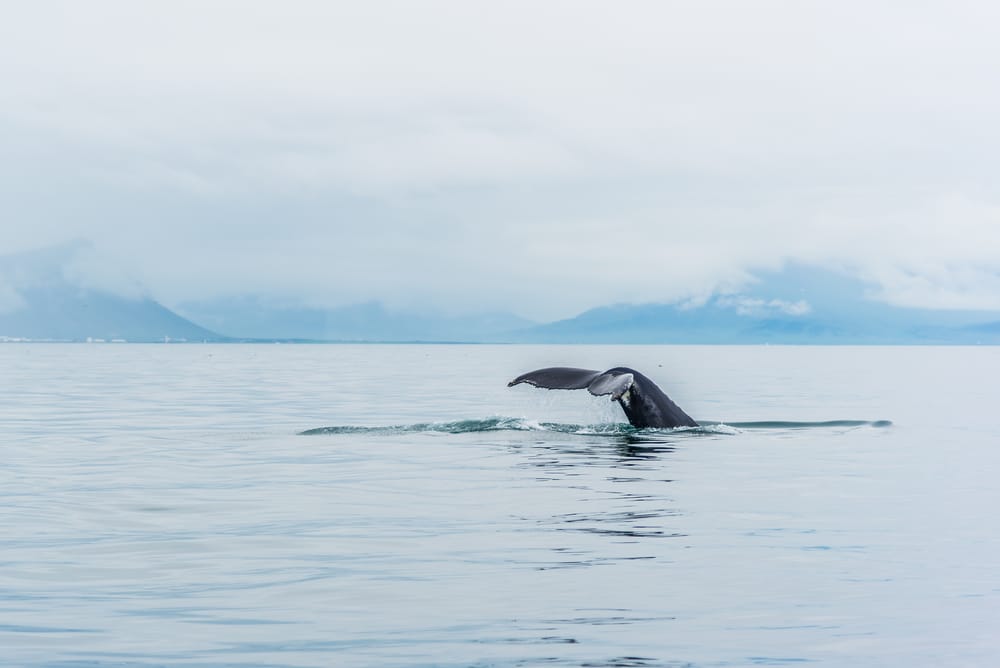
Whales and whaling are integral to Iceland’s history, and several species migrate thousands of miles to get to these waters.
The prime time is April to October (peak July and August), when up to 13 different tour companies are ready to take you out into Faxaflói to sight whales against a majestic mountain backdrop.
The most common species is the minke whale, spotted in these waters all year round. The humpback whale meanwhile usually arrives around April to feed following an epic 7,000-kilometre journey from its breeding and calving grounds in the Gulf of Mexico.
Other species regularly seen around Iceland are the blue whale, the largest animal ever to have lived, the fin whale and orcas, which are known to prey on humpbacks.
13. Aurora Reykjavík
 Source: Jamen Percy / Shutterstock
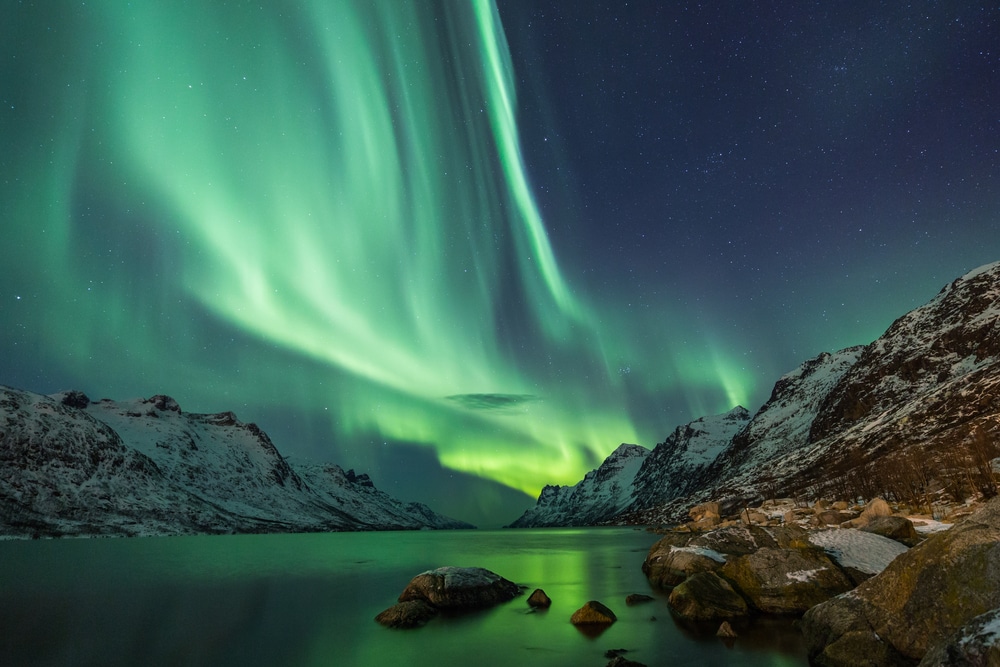
Just behind the Saga Museum is a vibrant multimedia exhibition dedicated to the Northern Lights.
Reykjavík is well within the Aurora Belt, so you stand a decent chance of spotting the Northern Lights between September and March if you get out of the city and keep updated with the Icelandic Meteorological Office’s Aurora forecast.
In the meantime you can get plenty of background at Aurora Reykjavík, revealing the science behind the phenomenon and the legends and myths that have sprung from it.
You’ll pick up tips about spotting and capturing the Aurora on camera and can see it with dazzling clarity at the Northern Lights Theater, which has a seven-metre 4k screen.
14. Viðey
 Source: Pascal Vosicki / Shutterstock
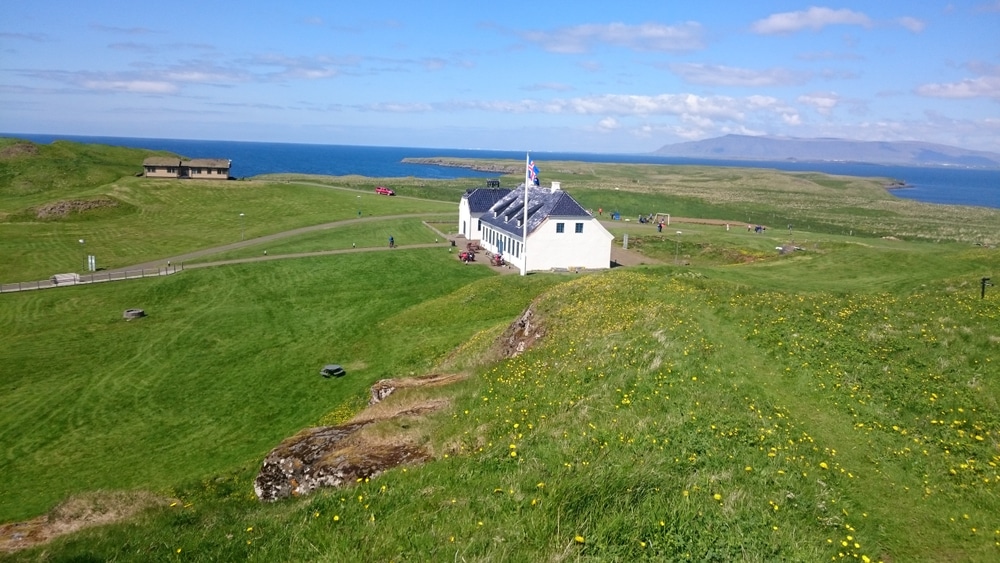
In the summer you can catch a ferry out to this little island a few kilometres off Reykjavík.
The crossing takes about 20 minutes, and you’ll disembark at a place long cherished for its agriculture, birdlife and volcanic geology.
Over hundreds of years Viðey’s marshes were drained to create fertile fields where the 18th-century sheriff Skúli Magnússon conducted horticultural experiments with crops like tobacco, cabbage and potatoes.
The caraway that he planted here continues to thrive across Iceland. The island’s eider duck colony was also prized for its down, and is rebounding after a decline in the 20th century, while there’s a host of other nesting birds, so it’s important to stay on the island’s walking trails.
Viðey is maybe best known for Yoko Ono’s Imagine Peace Tower, unveiled in 2007 and shooting a long shaft of light into the sky on special occasions like John Lennon’s birthday on 09 October.
The island is also the burial place for many important Icelanders, among them author Gunnar Gunnarsson (1889-1975).
15. Reykjavík Maritime Museum
 Source: Robson90 / Shutterstock
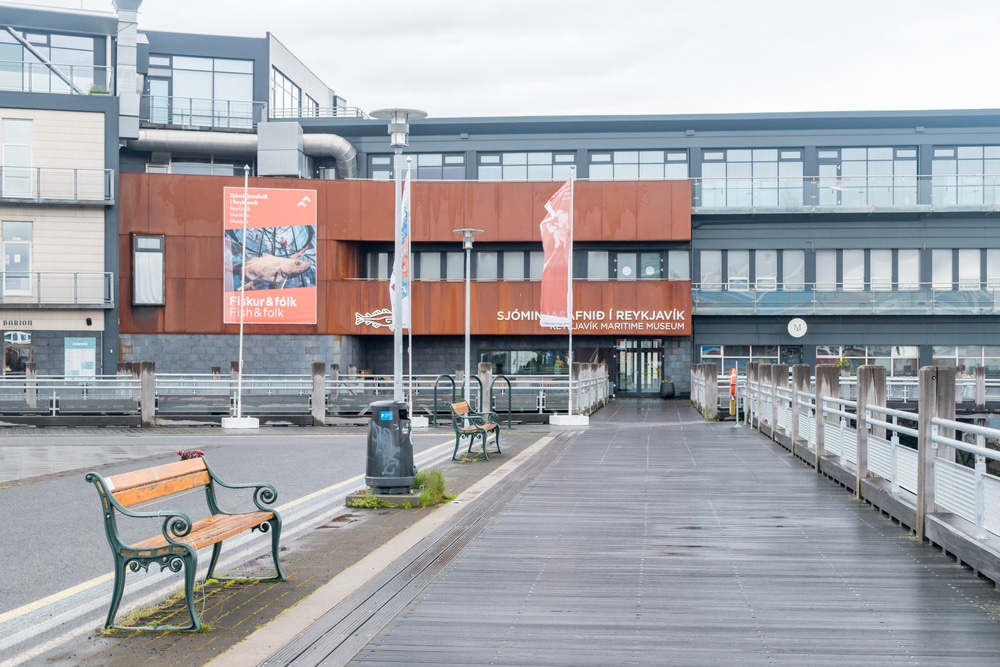
One of the five sites for the Reykjavík Maritime Museum is all about Iceland’s enthralling seafaring history, with an in-depth permanent exhibition that is refreshed every couple of years or so.
The setting is appropriate, in a former fish freezing plant from 1947, on the pier in the old harbour.
This is just the place to dip into Iceland’s fisheries in the 19th and 20th centuries, approaching the topic from several angles. These include oceanography, zoology, navigation, fish location, fishing vessels, methods of fishing, the history of Reykjavík Harbour and the lifestyle of the fishing community.
There’s a wealth of curiosities bringing the exhibitions to life, from century-old diving suits to archive photography, loads of fishing gear, ship models and sat-nav equipment, as well as enlightening interactive stations showing the different species fished commercially off Iceland.
The factory’s old machine room puts on temporary exhibitions, like Melckmeyt 1659, studying a merchant ship from the Dutch Golden Age wrecked by Flatey Island 350 years ago.
Both the museum’s gift shop and restaurant are highly rated, and moored in front is the coast guard and rescue vessel, Óðinn, which can occasionally be boarded for an exhibition about the Cod Wars of the 1950s and 1970s.
16. Ásmundarsafn
 Source: Juliana de O Lima / Shutterstock
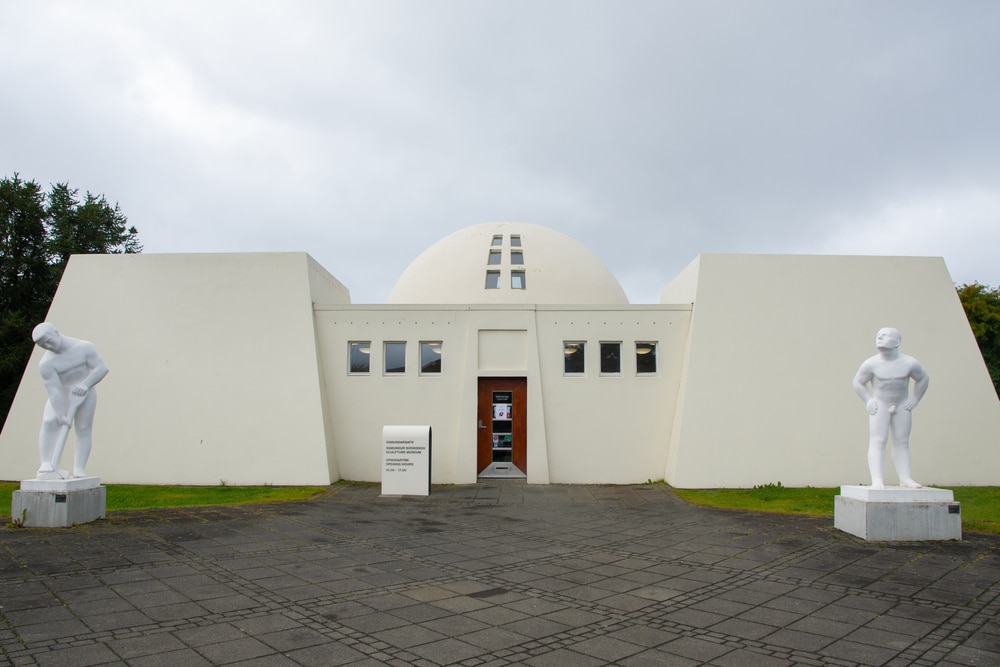
The Modernist sculptor, Ásmundur Sveinsson (1893-1982), was a trailblazer for Icelandic art, drawing heavily on the country’s folklore and traditions for inspiration.
In 1983 his remarkable self-designed house and studio became a branch of the Reykjavik Art Museum.
Ásmundarsafn, in the eastern Laugardalur district, was built during the 1940s and has nods to traditional Mediterranean architecture, Bauhaus and the work of Le Corbusier, particularly the Ronchamp Chapel.
Sveinsson’s sculpture is on display inside, in changing exhibitions, together with the work of other modern and contemporary artists. T
There’s a sculpture garden for Sveinsson in the grounds, and afterwards you can make the most of Laugardalur’s main leisure amenities, like the park & zoo and the large thermal bath complex, Laugardalslaug.
17. Hafnarhús
 Source: facebook.com
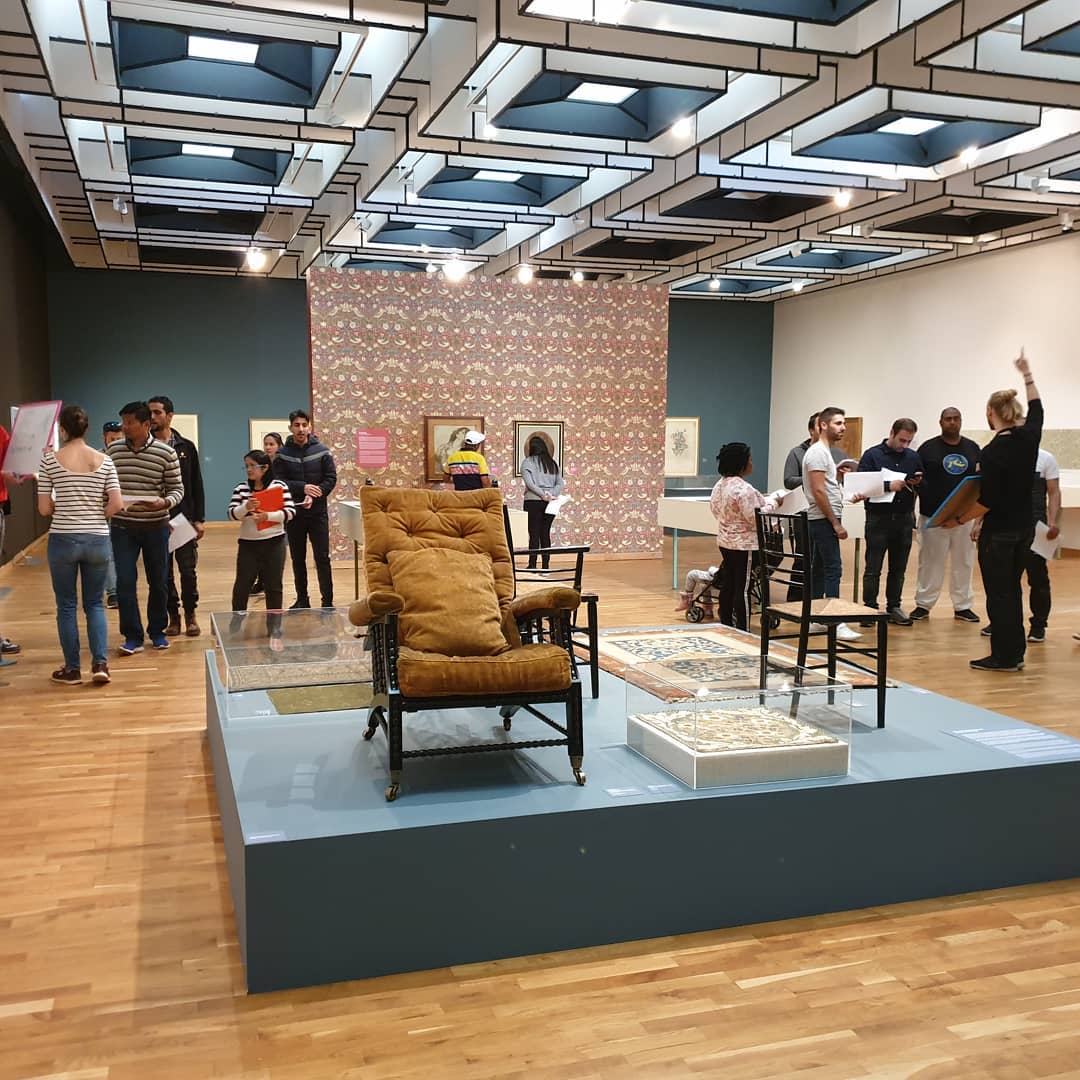
This branch of the Reykjavík Art Museum opened in 2000, in a large harbour warehouse going back to the 1930s.
When Hafnarhús was completed it was one of the largest buildings in Iceland, and was enlarged further in 1957-58.
This impressive space holds six galleries, dedicated to contemporary art by international and Icelandic artists, from renowned luminaries to emerging local talent.
There’s also a permanent display for the pop artist Erró who donated some 2000 works to the Reykjavík Art Museum in 1989, spanning almost the entirety of his career to that point.
There’s a restaurant here too, as well as a large courtyard and a multipurpose hall for concerts and the like.
18. Whales of Iceland
 Source: Roman Tiraspolsky / Shutterstock
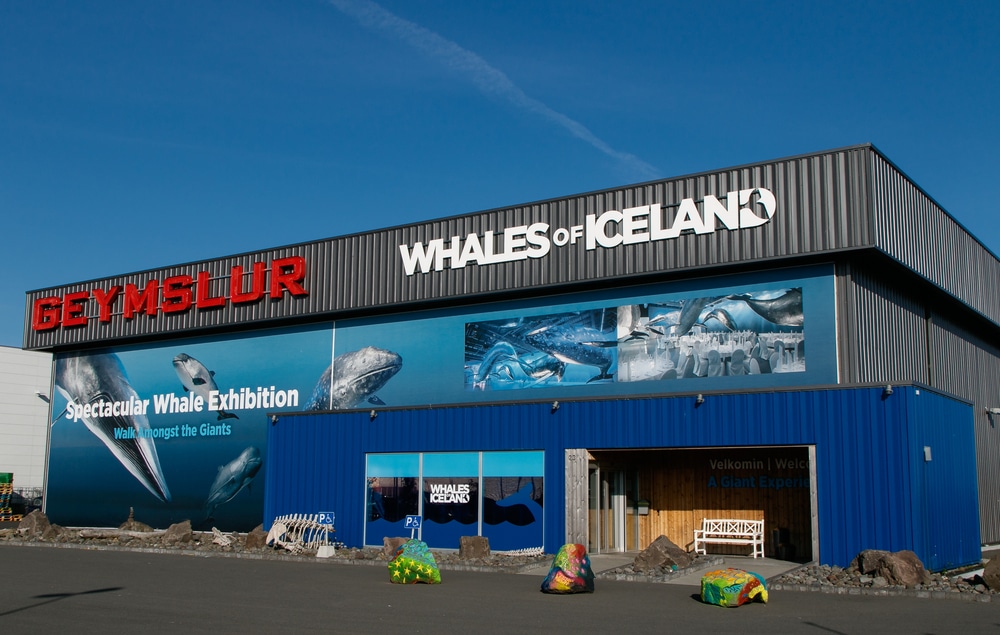
We’ve seen that Iceland’s waters welcome a range of whale species at different times of the year, and that the country continues to have a whaling industry, albeit scaled-down since 1986.
So it makes sense that Reykjavík should have a world-class exhibition dedicated to cetaceans.
In fact Whales of Iceland is the largest attraction of its kind in the world, with life-sized models of all 23 whale species found in Icelandic waters now and in prehistory, including a 25-metre blue whale.
These models are hand-painted, even recreating personal markings from specific whales in the wild.
Getting up close you’ll be able to gauge the full diversity of this mammal, checking out the differences between, say, a sperm whale, humpback, fin, blue or minke whale.
The exhibition is accompanied by calming ambient whale calls, and there are interactive stations, videos and VR to complete the experience.
19. Kjarvalsstaðir
 Source: Machine is Organic / Flickr | CC BY
The third and final entry for the Reykjavik Art Museum is named for the beloved painter Jóhannes Sveinsson Kjarval (1886-1972).
His oeuvre is broad, ranging from Surrealism to Symbolism, although Iceland’s landscapes are prominent in his work.
There’s a permanent exhibition of Kjarval’s painting, founded on a donation by the artist in 1968 and expanded since then. This is shown alongside contemporary fine art by prominent Icelandic and international artists.
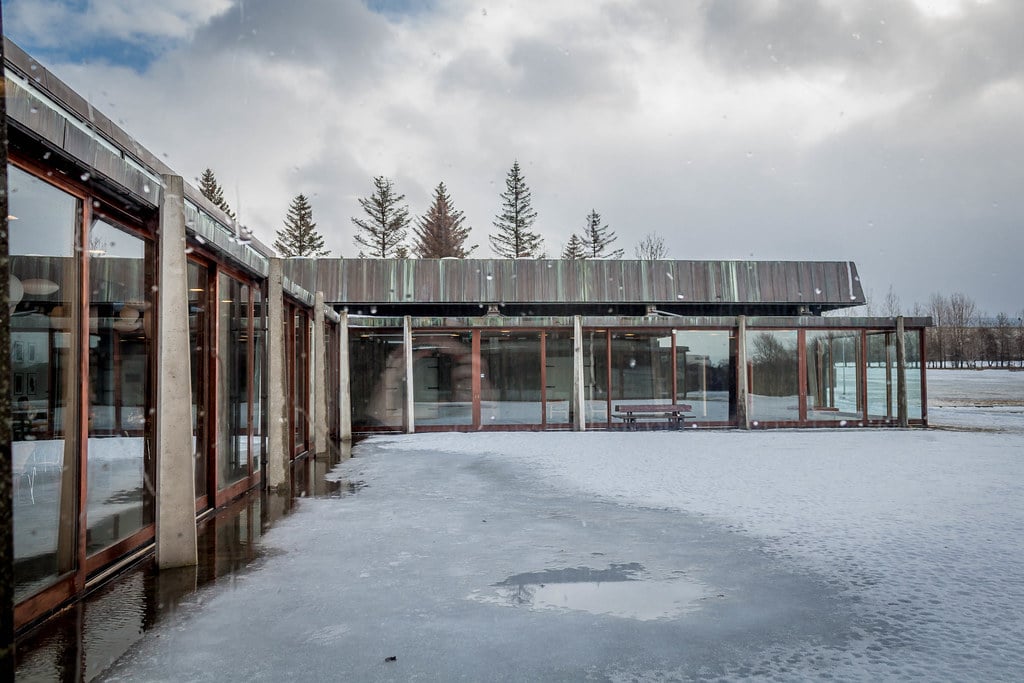
The museum opened in 1973, and the Nordic Modernist building was the first in the country to be designed solely for visual art exhibitions.
The interiors are drenched with light from the floor to ceiling windows, and there’s a lovely view over the surrounding Klambratún Park.
20. Icelandic Phallological Museum
 Source: Vladimir Korostyshevskiy / Shutterstock
In 2020 this eccentric but interesting museum moved to new premises near the Supreme Court of Iceland, tripling its exhibition space.
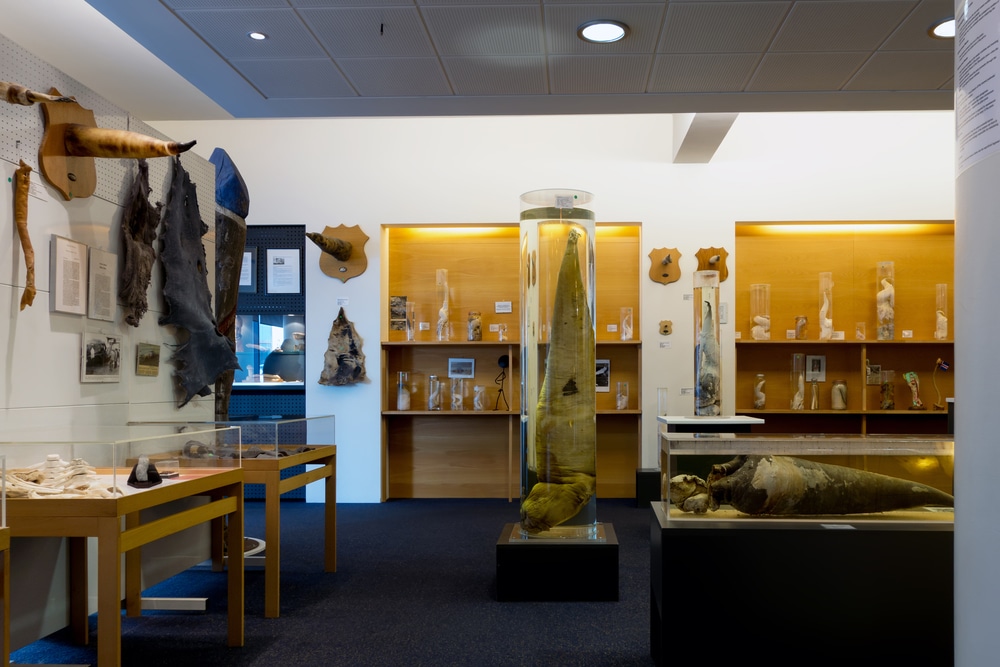
Founded by the now retired teacher Sigurður Hjartarson, the Icelandic Phallological Museum has built up more than 215 penis specimens, neatly displayed in formaldehyde.
These cover almost every mammal native to Iceland, and is particularly strong for whales, with 56 specimens from 17 different species.
Acquiring a viable human specimen has proved difficult, but four people have promised to donate their apparatus to the museum.
If this wasn’t surreal enough there are also 22 penises from folkloric characters like elves and trolls, which are invisible and so obviously can’t be seen.
In one showcase you’ll find the silver-plated casts of the penises of Iceland’s heroic handball team that won the silver medal in the 2008 Beijing Olympics, as well as penis art including lampshades made from bulls’ scrotums.
21. Höfdi House
 Source: Kristof Kovacs / Shutterstock
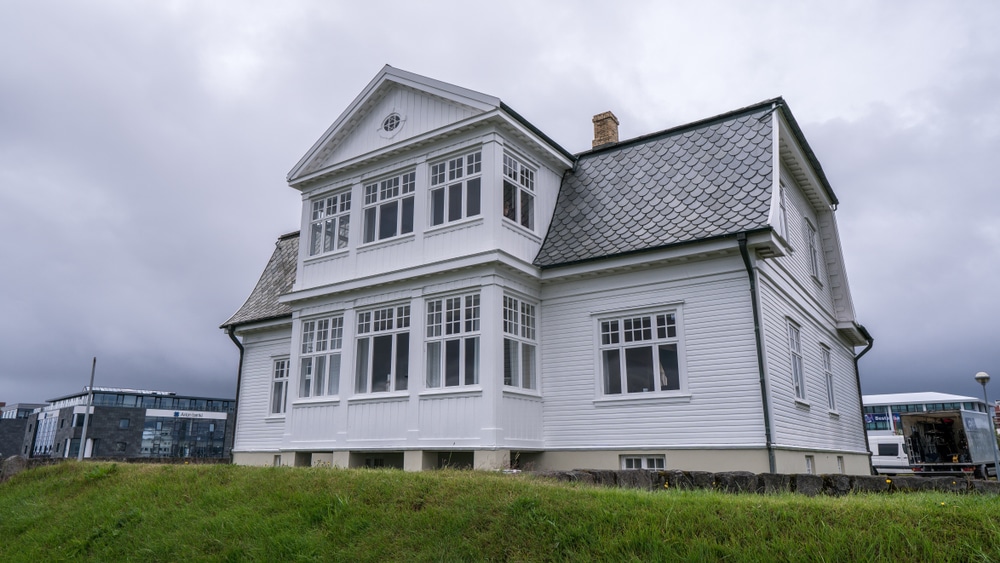
In October 1986 the Reykjavík Summit between Ronald Reagan and Mikhail Gorbachev took place at this very building.
The Höfdi House (1909), built for the French consul, is a handsome residence with Jugendstil influences.
As was often the method at the time, this structure was prefabricated in Norway, and when it was completed it was Reykjavík’s largest private estate.
A host of important 20th-century personalities stayed here, among them Winston Churchill and Marlene Dietrich.
Talks broke down during the Reykjavík Summit, but they set a roadmap that led to the 1987 Intermediate-Range Nuclear Forces Treaty, which only expired in 2019.
In a waterfront setting, the house commands beautiful vistas over Faxaflói, and in 1905 the first radio communication between Iceland and the outside world was made at this site. Both this event and the Reykjavík Summit are remembered with plaques.
22. Hellisheiði Geothermal Plant
 Source: By Makwel / Shutterstock
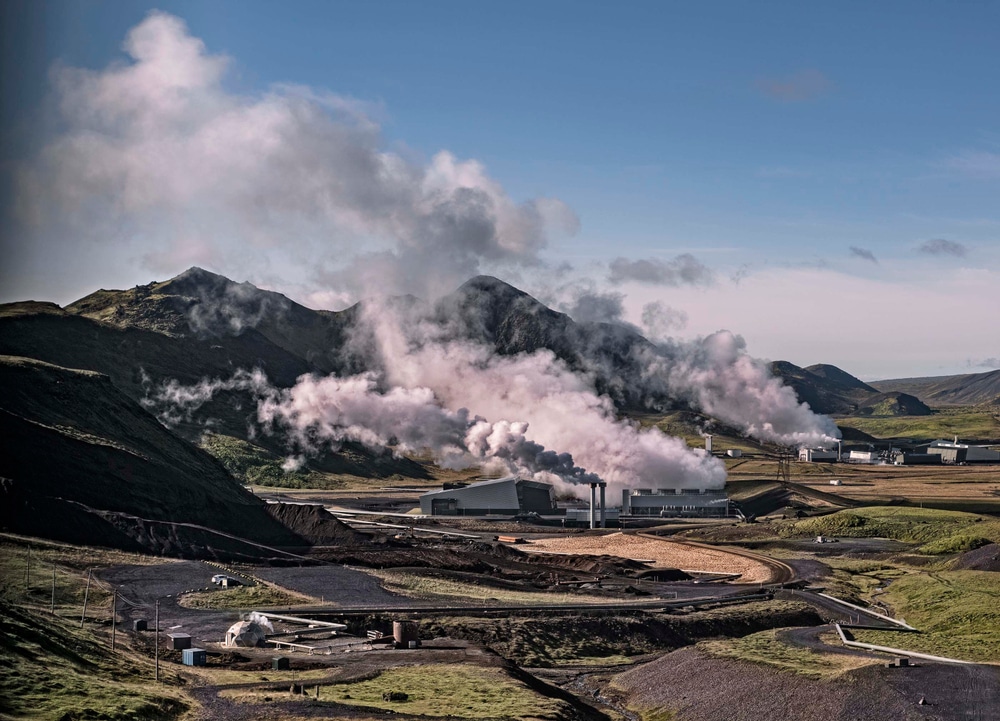
Although it’s not exactly a traditional tourist spot, this facility about 25 kilometres south-east of the capital shows you how Iceland harnesses its volcanic activity for 100% renewable energy.
Embedded in a spellbinding landscape of moss and lava, the Geothermal Energy Exhibition is attached to one of the largest geothermal power plants in the world.
There’s tons of fascinating facts and figures, all presented in a high-tech, interactive environment with well-informed staff who will be happy to answer even detailed questions.
Plus you’ll get to peek into the two turbine halls and won’t miss a beat with an audio guide
There are also sensational views of the landscape from the glass-clad building, and the plant can be combined with a hiking trip or tour of the Golden Circle.
23. Tjörnin
 Source: Joan Vadell / Shutterstock
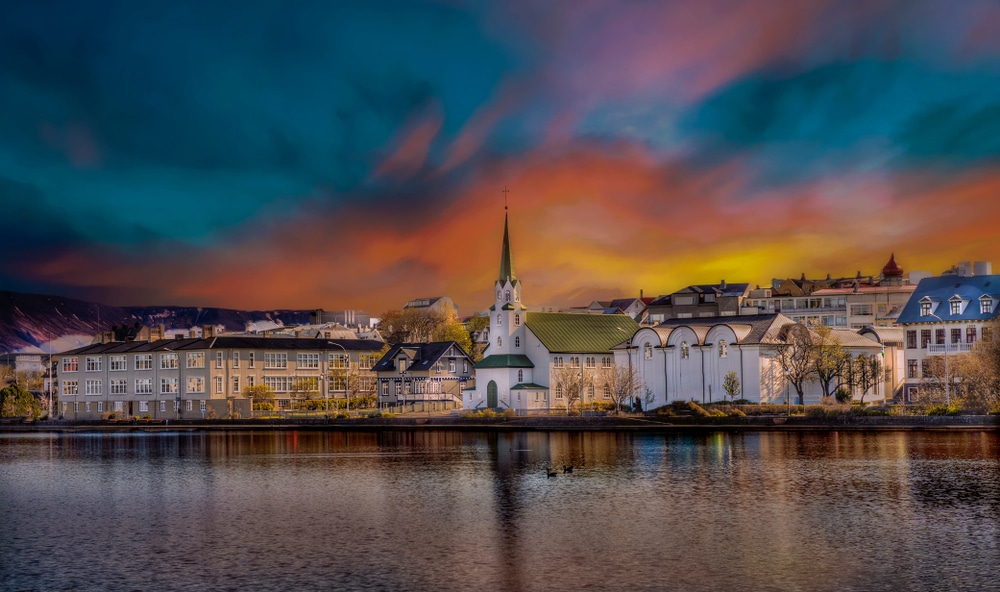
This picturesque body of freshwater has always been at the heart of Reykjavík’s cityscape, and is close to most of the big administrative buildings and museums.
The north shore is headed by Reykjavík City Hall (1992), which has a visitor centre where you can plot your adventure around the island, or just make the most of the free Wi-Fi in a warm place.
The east side of Tjörnin is lined with international embassies, while just behind the City Hall stands Althing, Iceland’s national parliament.
Tjörnin is actually a lagoon linked to the ocean by a river that was moved underground as the city grew. Now it’s a fine place for a stroll especially up the green west side, which gives you a super view across the water to Hallgrímskirkja.
Both Tjörnin and the connecting Vatnsmýri swamp to the south are a magnet for waterbirds, from up to 50 different species. The arrival of the Arctic tern to these waters heralds the beginning of the summer.
24. Laugardalslaug
 Source: facebook.com
East of the centre, the Laugardalur district is a green part of the city associated with hot springs and dedicated to sports and recreation.
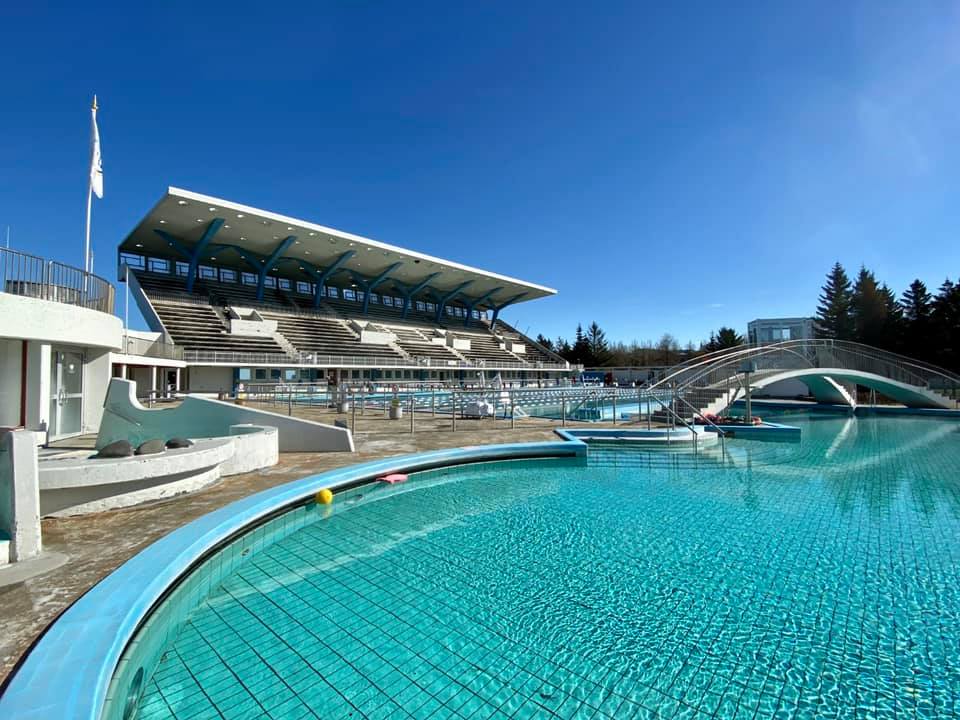
Laugardalsvöllur, the stadium for Iceland’s overachieving national football team is located here, along with this sizeable, geothermally-heated bath and pool complex.
Heated to between 28°C and 44°C are 11 pools and hot tubs, including a 50-metre outdoor pool and a 50-metre indoor pool.
There’s also a large seawater hot tub, a wading pool, a children’s pool and a small cold tub at 6–8°C.
These are accompanied by masses of facilities, from a mini golf course to fitness equipment, running track, two water slides and a restaurant, giving you everything you need for a rainy or snowy day.
25. Nauthólsvík Geothermal Beach
 Source: bikemp / Shutterstock
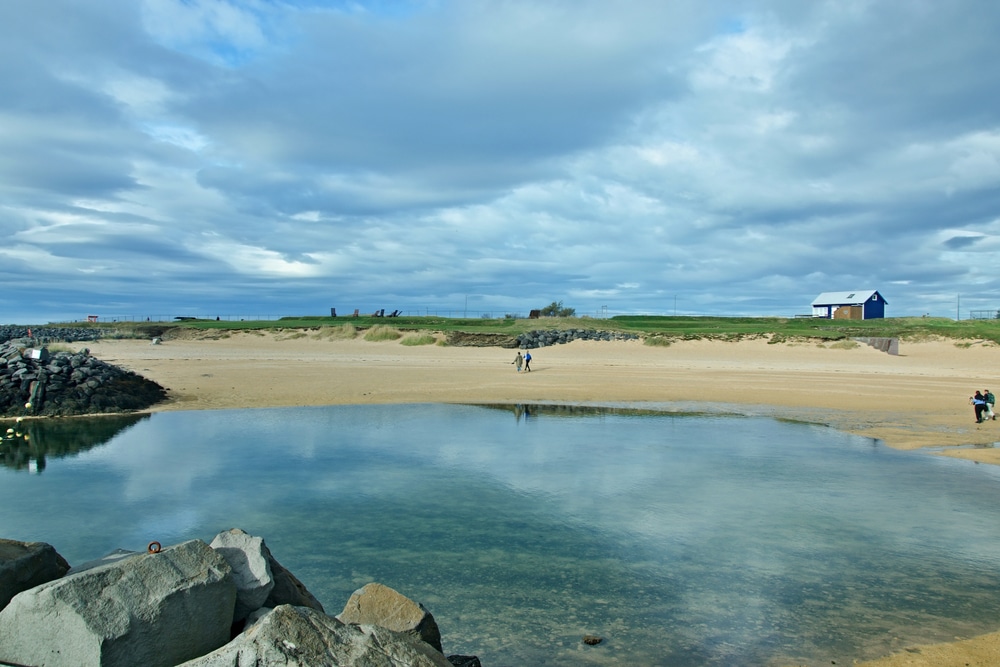
The world’s northernmost capital is an unlikely beach destination, but if you catch a warm, sunny day you can head down to this inviting sandy cove just south of the airport.
In the 1990s this was shielded from the open ocean by seawalls, creating a manmade lagoon made all the more comfortable by hot water piped from the tanks at Perlan a few hundred metres away.
Typically the temperature will be between 15 and 19°C, and even warmer in the two hot tubs on the shore.
The beach is open from mid-May to mid-August, but still attracts visitors in the off-season when the water temperature is breathtakingly cold.
The City of Reykjavík operates the centre behind, which offers food and drink, changing rooms, equipment rental, a sauna and two pools.